
Pre-College and Gap Year Programs
Unicollege’s Pre-College and Gap Year Programs are designed to support students in the transition toward university-level study through structured academic experiences rooted in the Italian higher education context. These programs provide an academically governed environment in which students develop core academic skills—critical reading, structured writing, seminar discussion, and applied inquiry—within a framework that emphasizes documentation, evaluation, and academic progression. The programs are intentionally differentiated by age group and academic readiness. Two distinct pathways are offered: an 18+ pathway oriented toward university entry and progression, and a separate 15–17 pre-college pathway designed specifically for minors. These pathways are not interchangeable and are governed by different academic, supervisory, and documentation structures.
Academic Structure
Semester and year abroad study at Unicollege is organized around university-level courses taught in English within a structured and accredited academic framework. All courses are supported by approved syllabi, clearly defined learning outcomes, contact hours, and established assessment methods, allowing partner institutions to evaluate coursework through familiar academic documentation and advising practices. Courses are designed specifically for international and visiting students and are structured according to Unicollege’s patented 3A (Acquire, Apply, Amplify) academic model. This model integrates foundational instruction, applied academic work through capstone projects, and course-embedded field experiences, ensuring both theoretical and experiential learning. Course availability may vary by term, with some courses offered exclusively in either the Fall (September–December) or Spring semester (January/February–April/May). A definitive list of available courses and detailed schedules is provided approximately two months prior to the start of each semester to support academic advising and course approval at the home institution. Academic delivery is supported by stable enrollment procedures and transparent academic advising aligned with U.S. and international university expectations.
The 15-17 Pathways: Pre-College Youth Programs
The 15–17 pathway is designed as a pre-college academic experience for minors and operates as a distinct youth program with age-appropriate supervision, policies, and academic documentation. While the instructional style mirrors university-level learning—seminars, applied inquiry, and guided project work—the pathway is tailored to support younger students through closer supervision and structured academic scaffolding.
The program emphasizes academic exposure, skill development, and documented growth rather than transcript mechanics. Students complete seminar-based coursework supported by guided field study and supervised City Lab activities. Each City Lab activity is followed by an in-class debrief focused on analysis, discussion, and a clearly defined academic output adapted to the age group.
The default structure of the 15–17 pathway is non-credit. However, where appropriate institutional partnerships, academic oversight, and operational conditions are in place, selected advanced tracks may be structured to support for-credit recognition. Any such option would be clearly defined and communicated separately, ensuring alignment with partner expectations and applicable academic frameworks.
The 18+ Pathways: Pre-University and Gap Year Study
The 18+ pathway is intended for students who have completed secondary education and are preparing to enter university or seeking a structured academic gap year. Programs may be offered as short bridge sessions (2–3 weeks), semester-length terms, or full academic year experiences.
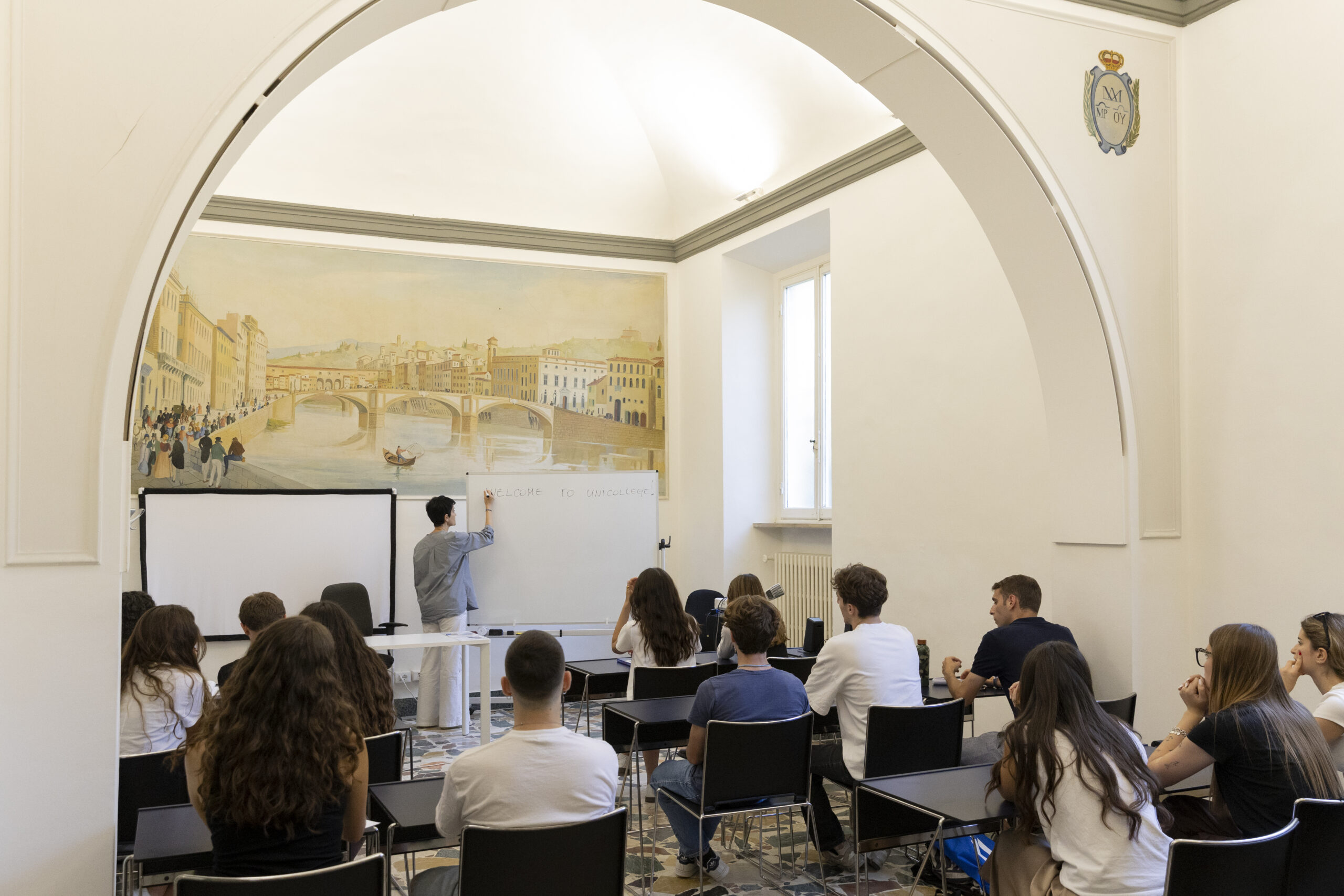
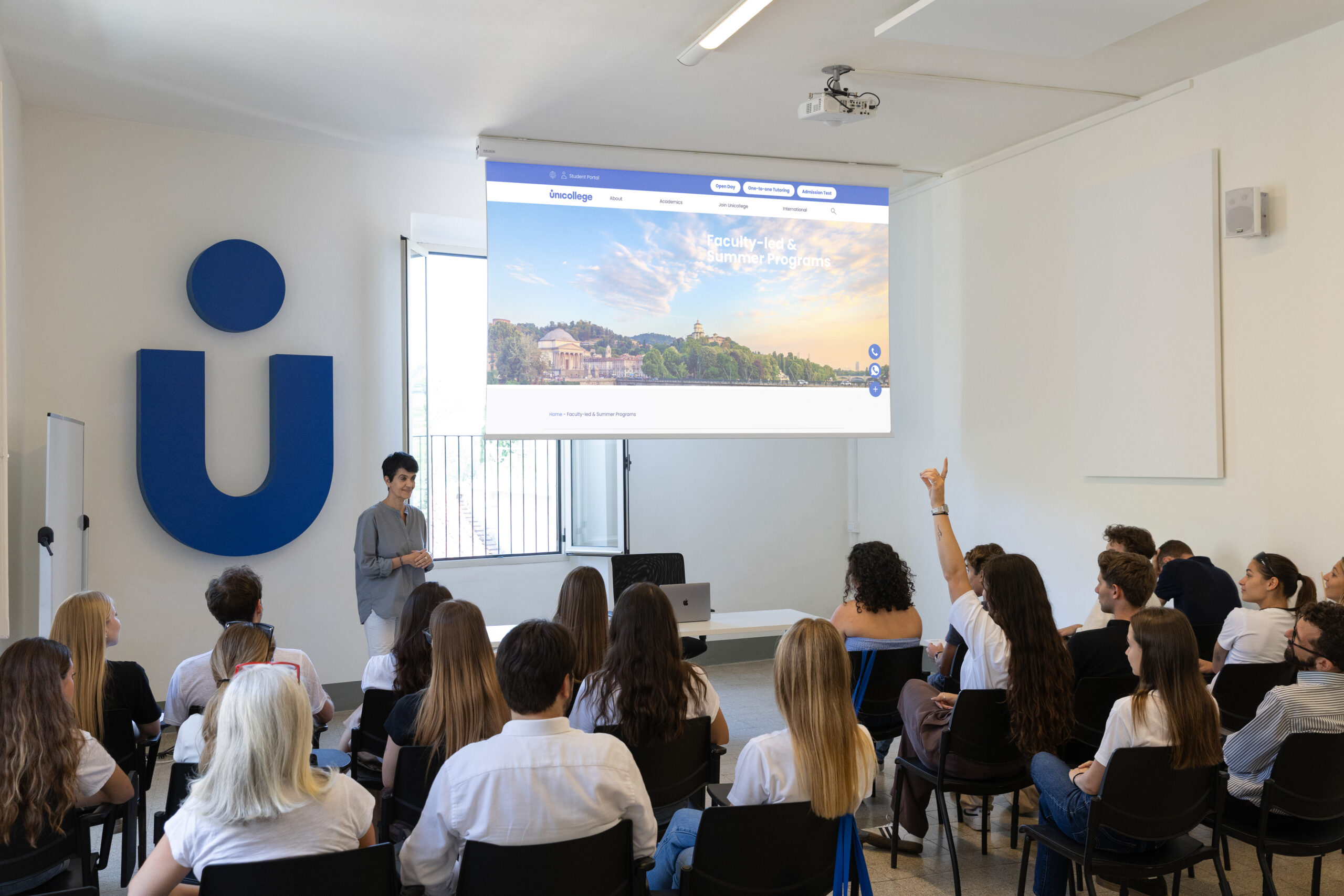
Instruction is delivered through small, discussion-based seminars combined with applied learning activities. Students engage in guided reading and writing, academic argumentation, and structured project work. Field studies and City Lab activities are integrated into the curriculum as academically framed components, not experiential add-ons. Each field activity is explicitly linked to course learning outcomes and followed by in-class debrief sessions focused on analysis, discussion, and defined academic deliverables.
Where appropriate academic partnerships are in place, the 18+ pathway may support for-credit recognition. In such cases, credit recognition is governed by the policies of the partner institution responsible for transcription. Students enrolled in for-credit tracks may complete a semester or academic year at Unicollege and subsequently request a direct Transcript of Record issued by Westcliff University, a US WASC-accredited university, subject to the academic policies, assessment requirements, and transcription procedures established by the partner institution. In the absence of an operational credit framework, programs are presented as non-credit academic terms supported by robust documentation, including faculty evaluation, curated academic portfolios, and completion certificates.
Academic Calendar
- Fall Semester: September – December
- Spring Semester: January/February – April/May
- Summer Sessions: May, June, July, August
Enrollments for all study abroad programs are open year round, and students are placed in the next available academic session. Applications are accepted at any time during the year.
Program Activation and Access
Pre-College and Gap Year Programs may be activated through multiple channels, depending on program format and cohort composition. These include partnerships with U.S. or international high schools, collaboration with universities that already offer pre-college initiatives, direct enrollment by families or independent students, and cooperation with agencies or third-party educational providers. All activation models are governed by the same academic standards, documentation practices, and institutional oversight.
Locations and Academic Environment
Unicollege programs are delivered within a network of historic Italian university cities that serve as academic and cultural learning environments. In addition to Florence, which serves as the primary hub of Unicollege study abroad programs, Pre-College and Gap Year programs are also offered in Mantua, Turin, and Milan. These cities—recognized as UNESCO heritage environments or historically significant university cities—provide an academically appropriate setting for cultural immersion, field-based learning, and place-based academic inquiry.
Within this network, Mantua serves as a particularly suitable location for Pre-College students. Its late-medieval urban structure creates a contained, highly supervised, and academically oriented environment characterized by a strong university presence, manageable scale, and a calm and secure residential context. The શહેર’s location also provides access to major academic and cultural centers, including Milan, Verona, Venice, and Bologna, allowing programs to combine a contained campus-city experience with broader regional academic exploration.
Housing
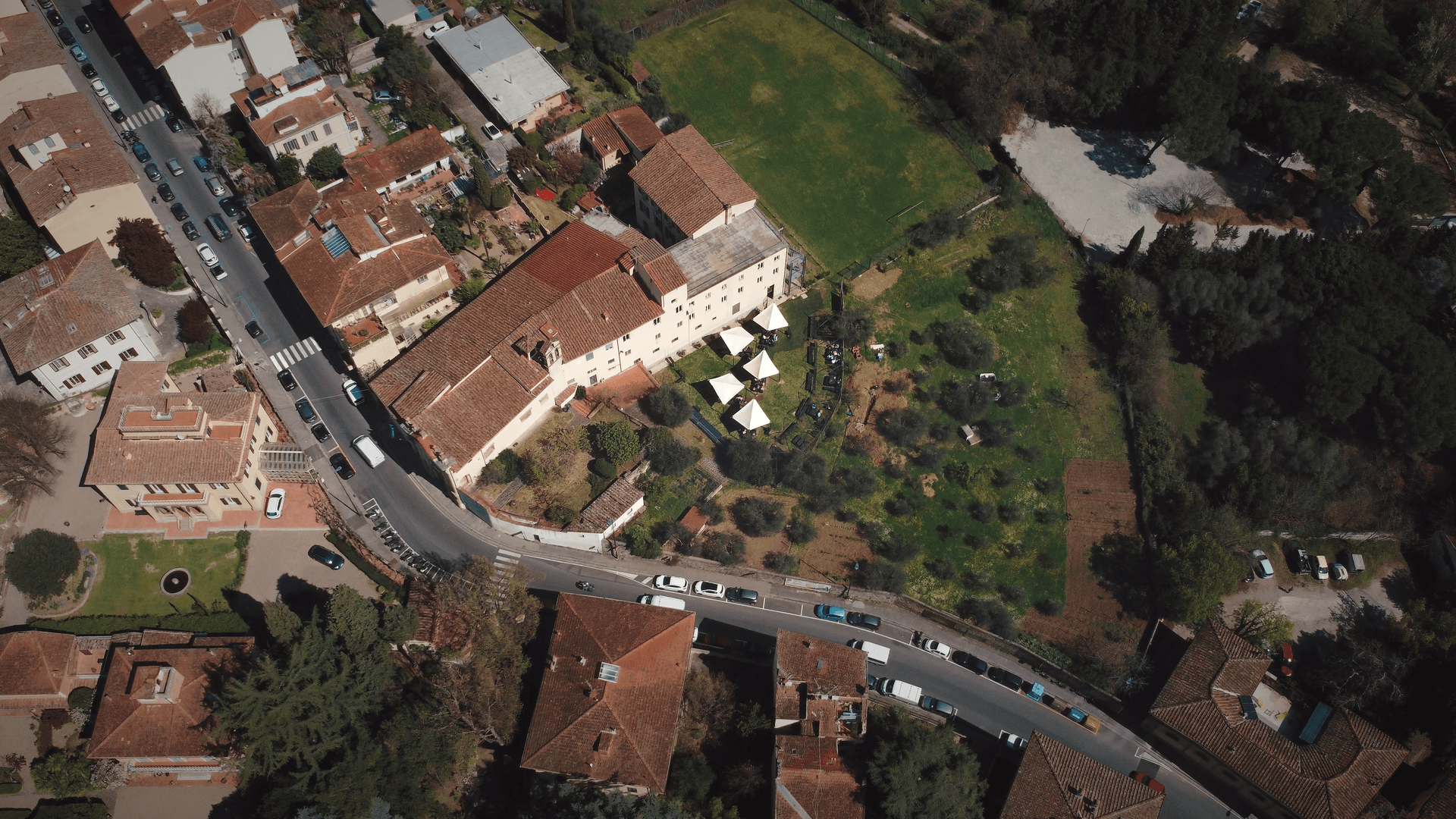
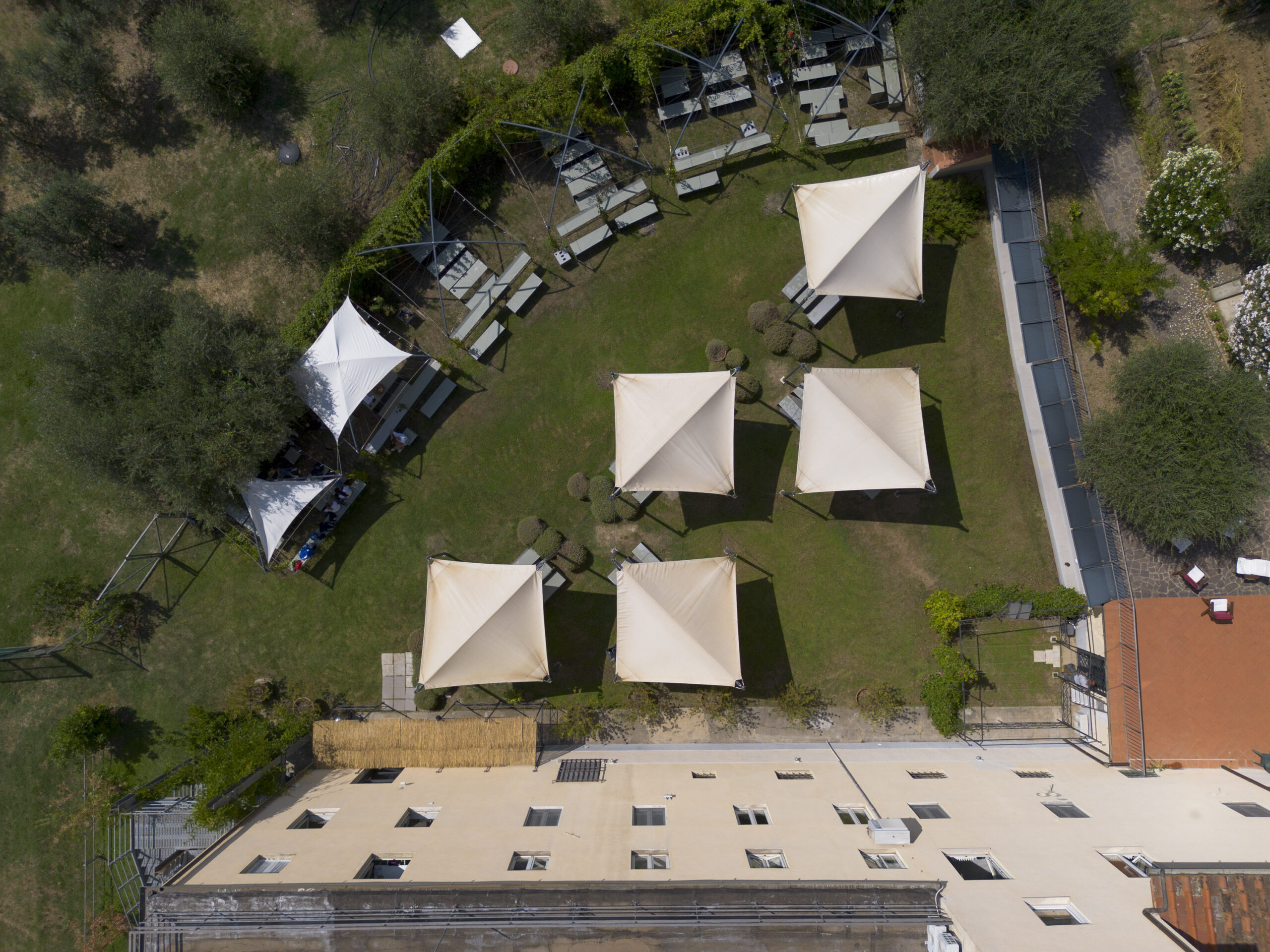
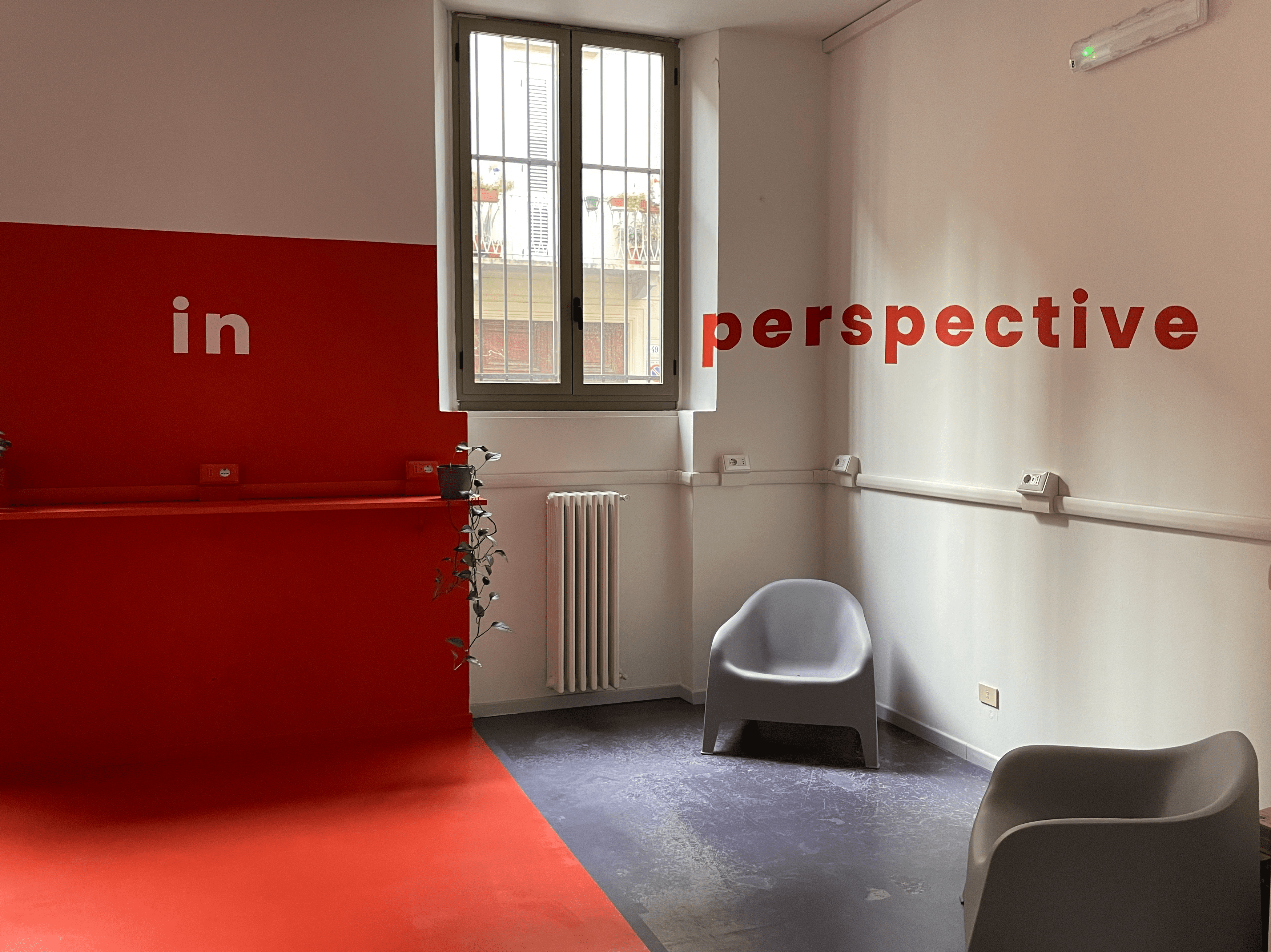
Unicollege provides structured housing solutions for international and visiting students designed to ensure safety, proximity to campus, and consistency with academic calendars. Housing arrangements are coordinated directly by Unicollege as part of the study abroad framework and are intended to support students throughout their academic term. On-campus residence is mandatory for all international students; where on-campus capacity is limited, placement will be arranged—based on availability—in university-managed housing. All international students are required to reside in university-managed housing or in accommodations formally affiliated with Unicollege.
Housing Policy and Placement
Students are primarily housed in on-campus residences. When on-campus capacity is reached, accommodation is arranged within Unicollege’s established housing network, which includes affiliated apartments and residential facilities located in close proximity to the campus. All housing options meet institutional standards of safety, accessibility, and academic integration. Assignments are made on a first-come, first-served basis. While every effort is made to prioritize on-campus placement, Unicollege reserves the right to allocate students to alternative approved accommodations within its network, including vetted housing providers or verified host families, in order to ensure continuity of services and compliance with institutional requirements. Housing placements are confirmed prior to arrival whenever possible. Final details, including address and check-in instructions, are communicated to students before the start of the academic term.
Accommodation Features
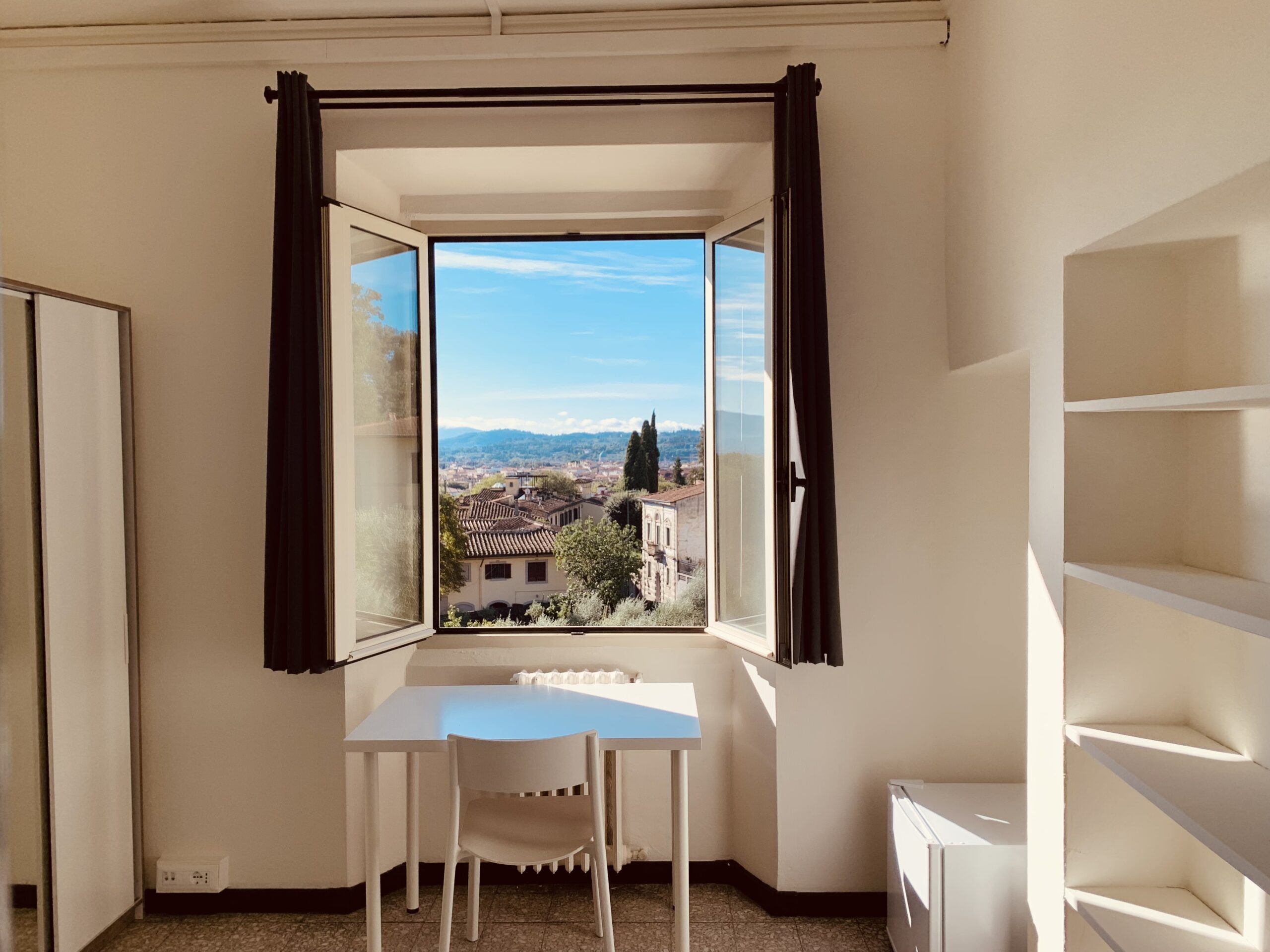
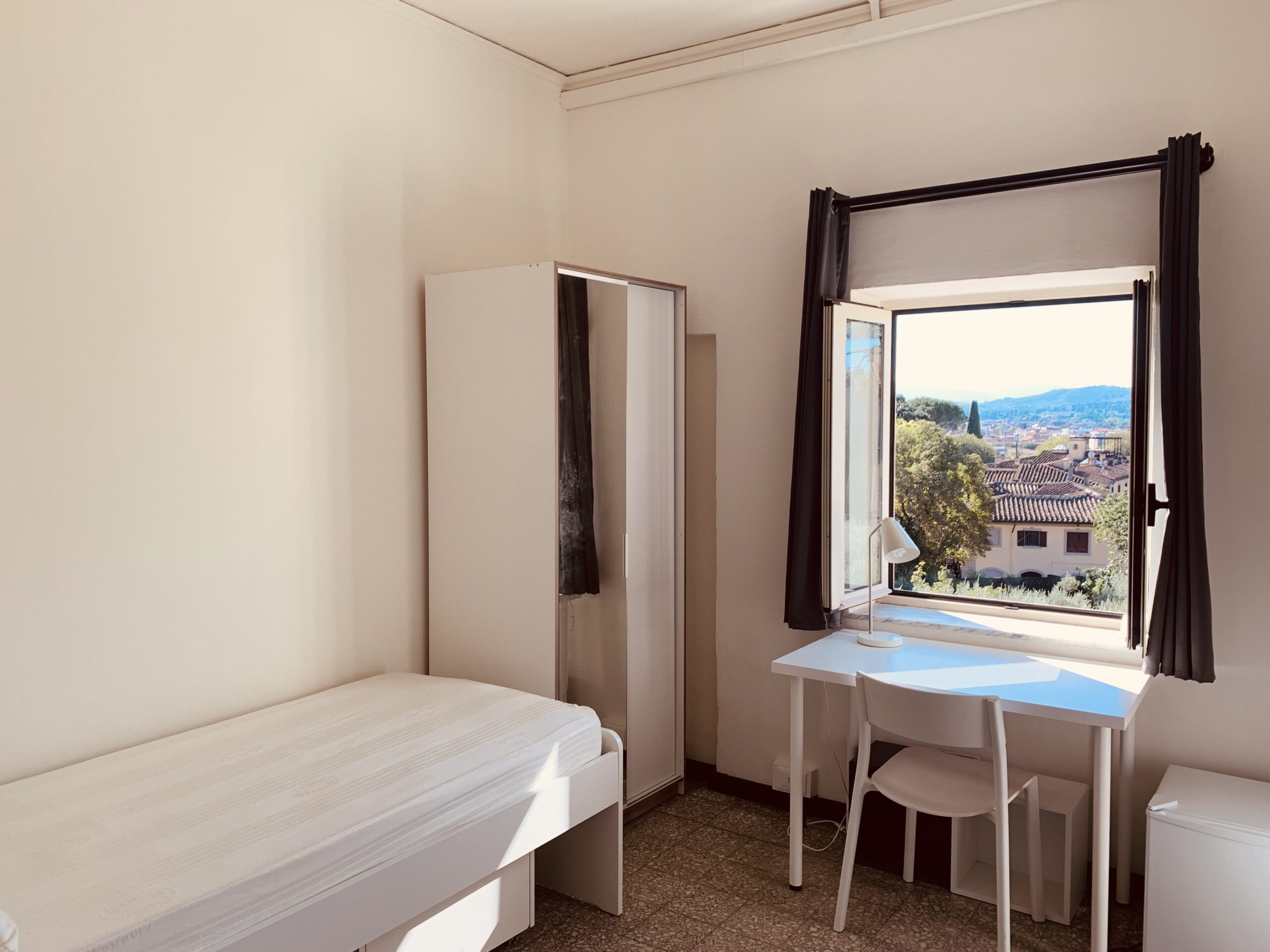
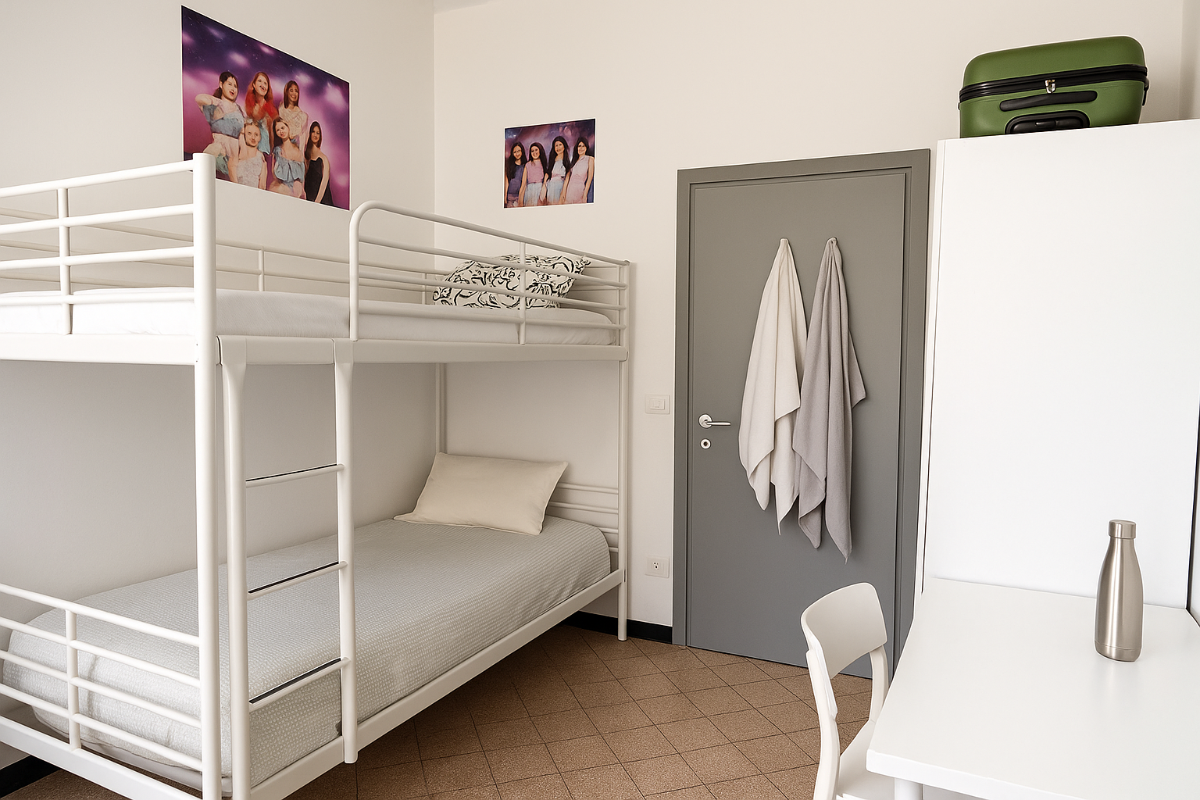
Accommodation types may vary by location and availability and span a range of configurations, including single rooms, single rooms with ensuite facilities, double rooms with separate beds or bunk beds, triple and quadruple rooms, as well as apartment-style accommodations designed for one or two occupants. Standard amenities across all housing options include fully equipped kitchens, full bathrooms with sinks and showers, separate toilet facilities, laundry areas with washing machines and dryers, shared living rooms, Wi-Fi access, and air conditioning where applicable. All housing is furnished and suitable for medium- to long-term academic stays.
Meals and Services
A meal plan is included in all Unicollege study abroad programs. Meals are normally provided on campus at the Unicollege cafeteria; in exceptional or seasonal circumstances, approved alternative solutions may be implemented. The standard meal plan includes one daily meal, typically consisting of a main course, a drink, and coffee. Details regarding meal services are shared with students prior to arrival. Additional arrangements may be requested by contacting the Unicollege Study Abroad Office.
Residential Context and Student Support
Residential stability is considered a key component of academic transition. Housing and supervision are structured to support predictable study routines and student wellbeing. Florence offers access to a dynamic urban academic environment, while Mantua provides a campus-centered setting conducive to focused study.
Unicollege provides on-site academic and student support, clear conduct expectations, and defined escalation pathways for welfare and safety concerns. Where a 15–17 pathway is offered, it operates under age-specific supervision and separate policies, ensuring clear distinction from the 18+ academic framework.
Student Safeguarding and Supervision
Unicollege’s Pre-College programs for students aged 15–17 operate under a structured safeguarding and supervision framework appropriate for minors participating in an academic residential program. The program maintains formal safeguarding policies covering student supervision, housing, curfews, staff responsibilities, emergency procedures, and student welfare protocols. All activities—including seminars, field study, housing, and City Lab activities—are conducted under supervised conditions in accordance with the program’s safeguarding framework.
Safeguarding policies are formally documented and form an integral part of the program’s academic governance and operational structure. These policies are provided to students and families prior to enrollment and are available in the program’s official safeguarding documentation.







Course Catalog
Introduction to Academic Writing,
3 US credits (if requested)
Develop essential academic writing skills, focusing on constructing clear, coherent, and well-organized essays. Learn techniques for thesis development, argumentation, research, and proper citation to excel in higher education.
Creative Writing, Personal Expression & Lateral Thinking
3 US credits (if requested)
Explore various forms of creative writing, including poetry, short stories, and personal narratives. Enhance your ability to think outside the box and express yourself creatively through engaging writing exercises and peer feedback.
Exploring Communications through the Italian Palette: Advertising, Media, & Arts
3 US credits (if requested)
Investigate the role of advertising, media, and the arts in shaping communication within Italian culture. Study iconic Italian brands and media outlets to understand their impact on global and local audiences.
Diversity & Inclusion in Italian Media: A Multidisciplinary Approach
3 US credits (if requested)
Examine how Italian media addresses diversity and inclusion. Integrate perspectives from media studies, sociology, and cultural analysis to understand the representation and portrayal of diverse groups in Italian media.
Introduction to Literature & Liberal Studies
3 US credits (if requested)
Dive into foundational literary texts and key concepts in liberal studies. This course encourages critical analysis and discussion, helping you understand the interplay between literature, philosophy, and society.
Survey of Italian Literature: From Ancient Icons to Revolutionary Voices
3 US credits (if requested)
Trace the development of Italian literature from classical works to contemporary narratives. Analyze themes of identity, revolution, and tradition through close readings of influential Italian authors.
Introduction to the Italian Language
Curricula: Art, Culinary Arts, Fashion, Music, Opera, Visual Arts
3 US credits (if requested)
Learn Italian through specialized curricula that integrate language learning with art, culinary arts, fashion, music, opera, and visual arts. This immersive approach enhances language acquisition through cultural context.
Learning Italian through Experience: A Montessori Approach
3 US credits (if requested)
Adopt the Montessori method to learn Italian through hands-on activities and experiential learning. This course emphasizes self-directed exploration and practical usage of the language in real-life scenarios.
Introduction to Foreign Languages
3 US credits (if requested)
Choose from a variety of foreign languages, including Arabic, Chinese, French, German, Korean, Russian, Spanish, and Portuguese. Develop foundational language skills through interactive lessons and cultural immersion activities.
Exploring Philosophy: From Ancient Beliefs to Contemporary Issues
3 US credits (if requested)
Journey through the history of philosophy, from ancient thinkers to modern-day debates. Engage with philosophical questions and develop critical thinking skills by analyzing diverse perspectives on ethics, existence, and knowledge.
Survey of Italian Art: From Ancient Civilizations to Contemporary Icons
3 US credits (if requested)
Explore the rich history of Italian art, from ancient civilizations to modern masterpieces. Analyze significant artworks and movements, understanding their influence on global art history.
Immersive Fashion: Seeing, Touching, Wearing
3 US credits (if requested)
Experience the world of fashion through sensory engagement. Learn about fabric, design, and the creative process by interacting with clothing and accessories, fostering a deeper appreciation for fashion as art.
Introduction to the History of Ancient Fashion: The Encounter between Ancient Egyptian, Greek, and Roman Traditions
3 US credits (if requested)
Study the evolution of fashion in ancient civilizations. Compare and contrast the styles, materials, and cultural significance of clothing in ancient Egypt, Greece, and Rome.
Introduction to the History of Modern Fashion: Exploring the Secrets of Renaissance Fashion, Beauty, and Courtship
3 US credits (if requested)
Delve into the fashion trends of the Renaissance period. Understand how beauty standards and courtship practices influenced clothing styles and societal norms.
World’s Fashion Icons: Dolce & Gabbana, Gucci & Versace
3 US credits (if requested)
Analyze the impact of renowned Italian fashion houses. Learn about the designers behind Dolce & Gabbana, Gucci, and Versace, and their contributions to global fashion trends.
Drawing like a Master in Art Capitals: Introduction to Drawing
3 US credits (if requested)
Develop foundational drawing skills inspired by masters from major art capitals. Practice techniques in sketching, shading, and composition to create your own artistic works.
Immortalizing Beauty: Introduction to Photography
3 US credits (if requested)
Learn the basics of photography, including composition, lighting, and editing. Capture and enhance images to express creativity and document the world around you.
Introduction to Museum Studies
3 US credits (if requested)
Explore the role of museums in preserving and presenting art and history. Understand museum operations, curation processes, and the significance of exhibitions in cultural education.
Curating an Art Show
3 US credits (if requested)
Gain hands-on experience in organizing an art exhibition. Learn about selecting artworks, designing layouts, and managing logistics to create a cohesive and engaging art show.
Curating a Fashion Show
3 US credits (if requested)
Plan and execute a fashion show from concept to completion. Understand the elements of runway design, model coordination, and event management to showcase fashion collections effectively.
Introduction to Economics
3 US credits (if requested)
Understand the fundamental principles of economics, including supply and demand, market structures, and economic indicators. Apply these concepts to analyze real-world economic issues.
Introduction to Business
3 US credits (if requested)
Explore the basics of business operations, including management, marketing, finance, and entrepreneurship. Develop skills necessary for starting and running a successful business.
Introduction to Management
3 US credits (if requested)
Learn key management theories and practices. Focus on leadership, decision-making, strategic planning, and team dynamics to effectively manage organizations and projects.
Introduction to Global Affairs & Political Science
3 US credits (if requested)
Examine the complexities of global politics and international relations. Study political theories, global institutions, and contemporary issues shaping the world today.
The Role of Italy in Contemporary Geopolitics: Introduction to Geopolitical Analysis
3 US credits (if requested)
Analyze Italy’s position in global politics. Understand Italy’s geopolitical strategies, alliances, and its influence on regional and international affairs.
Middle East, the Mediterranean Sea, and the Atlantic: Exploring the Crossroads of Contemporary Politics
3 US credits (if requested)
Investigate the political dynamics at the intersection of the Middle East, Mediterranean, and Atlantic regions. Explore historical contexts and current events shaping these critical areas.
Introduction to the History of Mafia
3 US credits (if requested)
Study the origins and development of mafia organizations. Examine their social, economic, and political impacts on society through historical and contemporary perspectives.
Women of Mafia
3 US credits (if requested)
Explore the roles and influences of women within mafia organizations. Analyze gender dynamics and the unique contributions of women in these clandestine networks.
Introduction to Criminology
3 US credits (if requested)
Understand the study of crime, its causes, and its effects on society. Learn about different theories of criminology and the criminal justice system’s responses to crime.
Introduction to Forensics
3 US credits (if requested)
Delve into the science of forensic investigation. Learn about evidence collection, analysis techniques, and the role of forensics in solving crimes.
Introduction to Cybersecurity
3 US credits (if requested)
Gain foundational knowledge in protecting digital information. Study cyber threats, security measures, and ethical considerations in the digital age.
Italy as the Birthplace of Criminology
3 US credits (if requested)
Explore Italy’s contributions to the field of criminology. Study pioneering theories and practices that originated in Italy and their influence on global criminological studies.
Pre-Calculus
3 US credits (if requested)
Prepare for advanced mathematics by studying functions, trigonometry, and analytical geometry. Strengthen problem-solving skills and mathematical reasoning essential for calculus.
Algebra
3 US credits (if requested)
Master fundamental algebraic concepts, including variables, equations, and functions. Develop the ability to solve complex problems and apply algebraic methods to real-world situations.
Introduction to Information Technology (IT)
3 US credits (if requested)
Discover the basics of information technology, including computer systems, networking, and software applications. Learn how IT is applied in various industries and everyday life.
Introduction to Artificial Intelligence (AI)
3 US credits (if requested)
Explore the principles of artificial intelligence, including machine learning, neural networks, and robotics. Understand the applications and ethical implications of AI technologies.
Introduction to Biology & Life
3 US credits (if requested)
Study the fundamentals of biology, including cell structure, genetics, evolution, and ecology. Gain an appreciation for the diversity of life and the processes that sustain living organisms.
Empirical Chemistry: Discovering Chemistry through Experience
3 US credits (if requested)
Engage in hands-on chemistry experiments to understand chemical reactions, bonding, and the properties of matter. Develop practical laboratory skills and scientific inquiry.
Introduction to Botanical Sciences: Plants, People & Planet
3 US credits (if requested)
Explore the foundations of plant biology through hands-on observation in Italian botanical gardens, historic villas, and local ecosystems. Learn how plants grow, adapt, and sustain life, while investigating the role of flora in global biodiversity and human wellbeing.
Mediterranean Horticulture & Sustainable Cultivation
3 US credits (if requested)
Discover the agricultural heritage of the Mediterranean through practical activities in community gardens, orchards, and urban green spaces. Study climate, soil, and crop cycles while learning eco-friendly cultivation techniques inspired by Italian horticultural traditions.
Food, Health & the Science of Wellbeing
3 US credits (if requested)
Examine the intersection between nutrition, biology, and lifestyle. Through interactive workshops, learn how food shapes physical and mental health, how the body processes nutrients, and how Mediterranean dietary practices contribute to overall wellbeing.
Nature-Based Mindfulness & Environmental Psychology
3 US credits (if requested)
Drawing from wellbeing studies, environmental psychology, and Montessori principles of experiential learning, this course explores how nature shapes human behaviour, emotion, and cognition. Practice guided outdoor activities, mindfulness techniques, and reflective exercises that promote balance and self-awareness.
Field Trip to Siena
3 US credits (if requested)
Day and time to be arranged upon arrival to Unicollege
Field Trip to Pisa
3 US credits (if requested)
Day and time to be arranged upon arrival to Unicollege
Field Trip to Bologna
3 US credits (if requested)
Day and time to be arranged upon arrival to Unicollege
Field Trip to Rome
3 US credits (if requested)
Day and time to be arranged upon arrival to Unicollege
Field Trips can account as credit-bearing academic experiences that may award credits in the following disciplinary areas: Art History (AH), Cultural Studies (CULSTU), Humanities (HUM), Italian Studies (ITLAN), Anthropology (ANT), Photography (PHOTO), Art (ART), Culinary Studies (CNARYSTU), and Interdisciplinary Studies (INTDISTU).
Upon approval from their home university, students must indicate the specific course code under which they wish to receive credit, in order to be assigned appropriate academic training and assessment aligned with that discipline. Each Field Trip includes:
• an ad hoc syllabus, tailored to the selected academic area;
• assignment to a designated instructor responsible for instruction and assessment.
Should a specific destination fail to meet the minimum number of participants, Unicollege reserves the right to activate an alternative destination, while ensuring full academic and thematic consistency with the approved syllabus. This decision is final and not subject to appeal. Full details of the experience—including travel dates, schedule, assigned instructor, and logistical information—will be communicated to students prior to the start of the semester. An additional fee of € 200,00 applies and includes transportation, a light meal, and academic instruction.
Housing costs vary by term, location, room type, and duration of stay. Estimated housing and meal plan costs are published by semester and are aligned with the academic calendar. Final costs are communicated during the admissions and housing confirmation process.
Housing is offered for the full duration of the academic program and is designed to align with semester, year-long, or summer study periods.
| Florence | Mantua | Milan | Turin | |
| Fall | ||||
| Spring | ||||
| Summer | ||||
| Cost per credit | € 300,00 | |||
| Other expenses | ||||
- Applications and intake
Applications are open year-round and reviewed on a rolling basis, subject to session dates and course availability. Programs may be activated through partner high schools, U.S. universities with pre-college initiatives, independent students and families, or selected agencies and third-party providers. - Applicant pathways
Two distinct pathways are offered:
– 18+ applicants, designed for students who have completed secondary education and are preparing for university entry or transition.
– 15–17 applicants, offered as a separate pre-college youth pathway with age-specific policies, supervision, and documentation. - Recommended timeline
Applicants are encouraged to apply at least 5 months in advance. A minimum of 90 days is required to complete academic review, housing arrangements, and, where applicable, visa procedures. - Visa considerations
Program length and nationality determine visa requirements. Short-term programs may allow visa-free entry, while longer stays may require a study visa. Applicants remain responsible for verifying eligibility, with guidance provided during the application process.
How to apply
To begin the process, candidates or sending institutions request the official Application Form by contacting the Study Abroad Office at:
francesca.serra@unicollege.eu
6. Application form
The Application Form includes academic background, program and course selection, housing options, logistical details, deadlines, and payment information. Institutional endorsement is required where applicable; parental involvement is mandatory for minors.
7. Review and confirmation
Completed applications are reviewed by Unicollege and typically confirmed within 7–10 working days. Upon confirmation, participants receive formal acceptance and pre-arrival instructions.
8. Payment and enrollment
Following confirmation, participants submit the first non-refundable installment according to the schedule outlined in the Application Form.
9. Arrival and orientation
Housing check-in generally occurs 2–3 days before program start. Orientation activities are provided at the beginning of each session and adapted to the specific pathway.
10. Program completion and documentation
At the end of the program, participants receive official documentation appropriate to their pathway, including faculty evaluation, portfolio materials, certificates of completion, and—where operationally supported—academic records issued under partner or School of Record protocols.