Student Life in Milan
Parco Sempione will be your garden. Your terrace will be in the Triennale. And you will climb onto the roof of the Duomo. Then you will open up your windows on the Navigli. And you will meet your friends at the usual bar in the Colonne.
Milan has opened its doors wide for you; it’s time to get acquainted. Lose yourself in the Ticinese quarter, one of the oldest in the city. Enjoy a light-hearted walk about Brera or dig up the new trends in the Quadrilatero della moda. Do you want to take a look at contemporary Milan? You will find it in the quarters of Isola and Porta Garibaldi. And when you want to take a hop back into the past, enter one of the historical Palazzi to discover the artistic and architectural riches that have made Milan great.
> Visit the official website for Tourism in Milan
All the upcoming shows and exhibitions:
> MiGuidi
The most important museums:
> Palazzo Reale > Castello sforzesco > Museo del Duomo > Cenacolo vinciano > Teatro alla Scala > Fondazione Prada
> Pinacoteca di Brera > Triennale > Mudec > Museo del ‘900
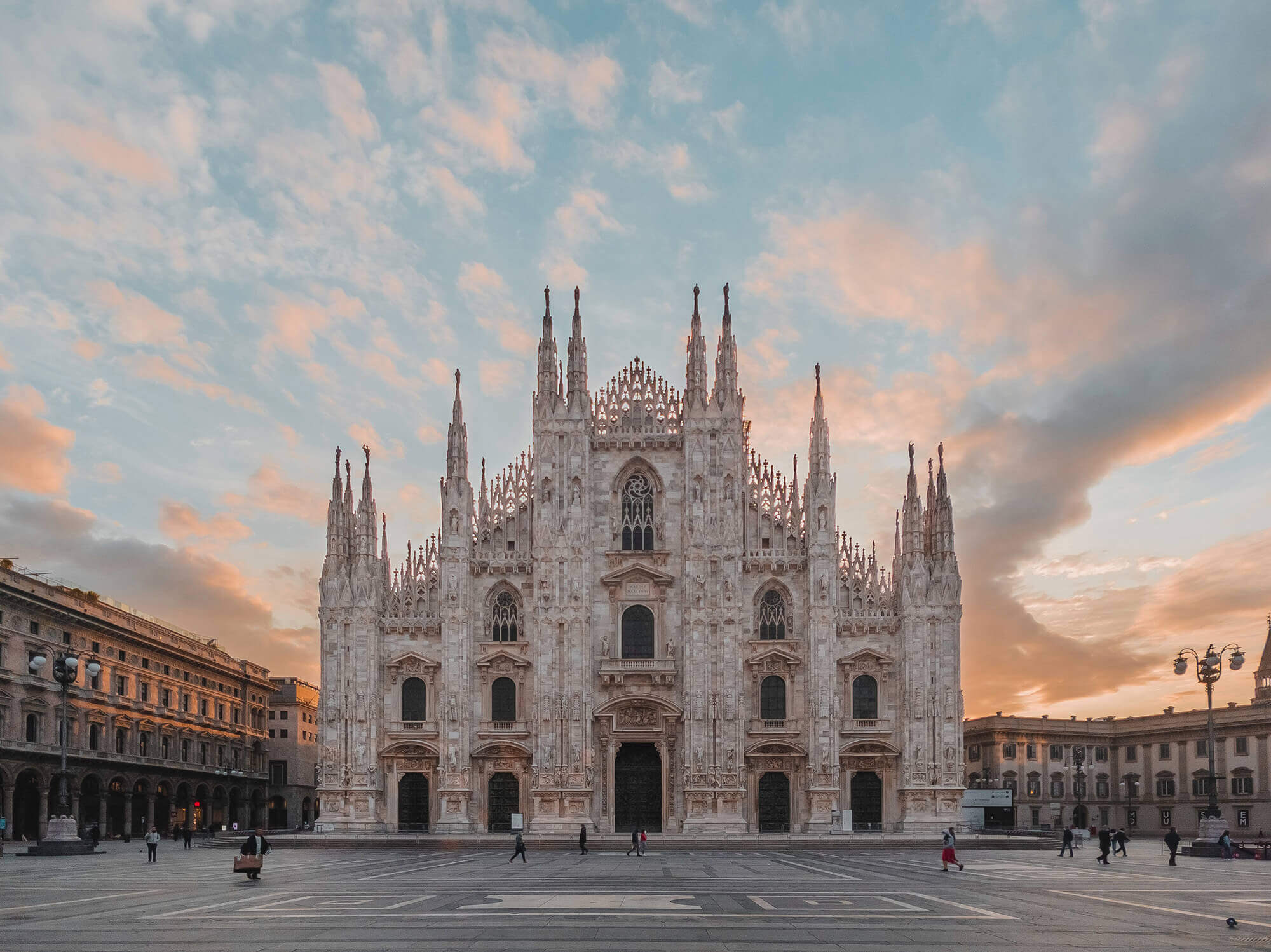
The Duomo di Milano is a remarkable example of Gothic architecture, known for its intricate spires and elaborate façade. Begun in the 14th century, it combines Gothic and later styles, featuring marble interiors, stained glass windows, and the iconic Madonnina spire. As one of Italy’s largest cathedrals, it remains a central cultural and symbolic landmark of the city.
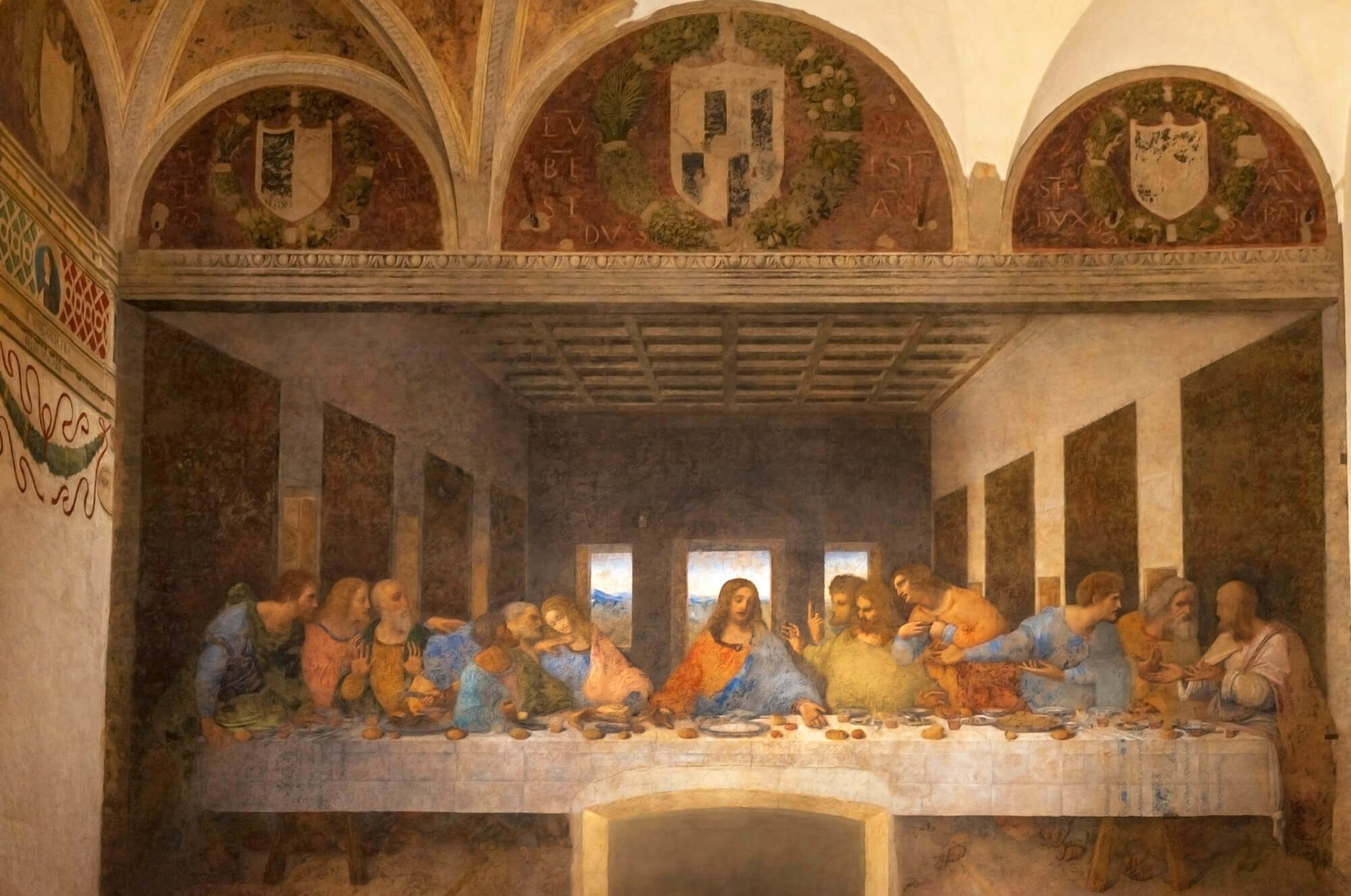
Housed within the refectory of the Convent of Santa Maria delle Grazie, Leonardo da Vinci’s “The Last Supper” is an unparalleled masterpiece of Renaissance art. Painted between 1495 and 1498, this iconic mural captures the emotional intensity of the biblical scene with exquisite detail. Due to its delicate condition, visitors must book tickets well in advance, as only a limited number of people are allowed to view it each day.
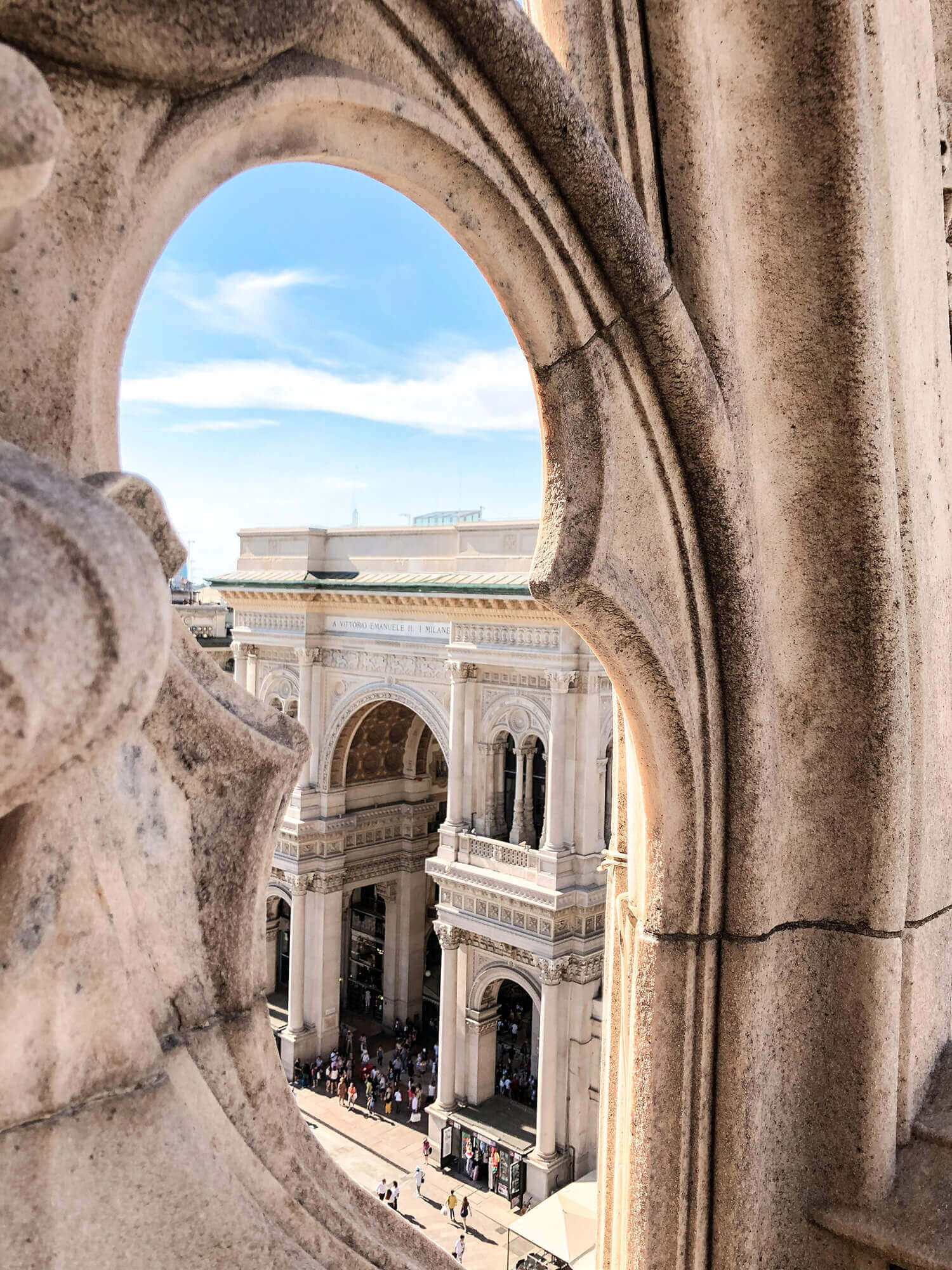
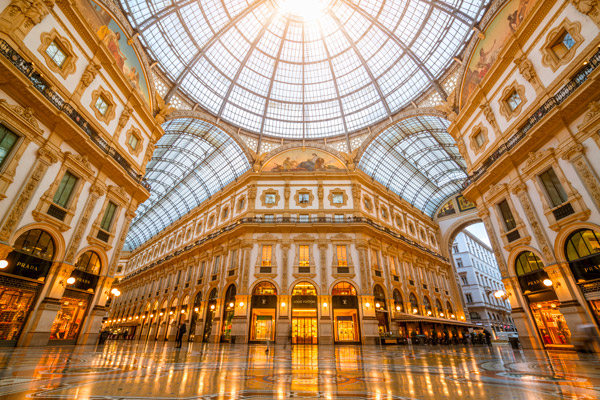
Often referred to as the “living room” of Milan, the Galleria Vittorio Emanuele II is a magnificent 19th-century shopping arcade connecting Piazza del Duomo and Piazza della Scala. Its soaring glass roof, intricate mosaics, and ornate architecture make it a visual delight. Besides luxury boutiques and cafes, visitors can admire the stunning mosaics representing Europe, Asia, Africa, and America at its intersections, showcasing Italy’s imperial aspirations during its construction.
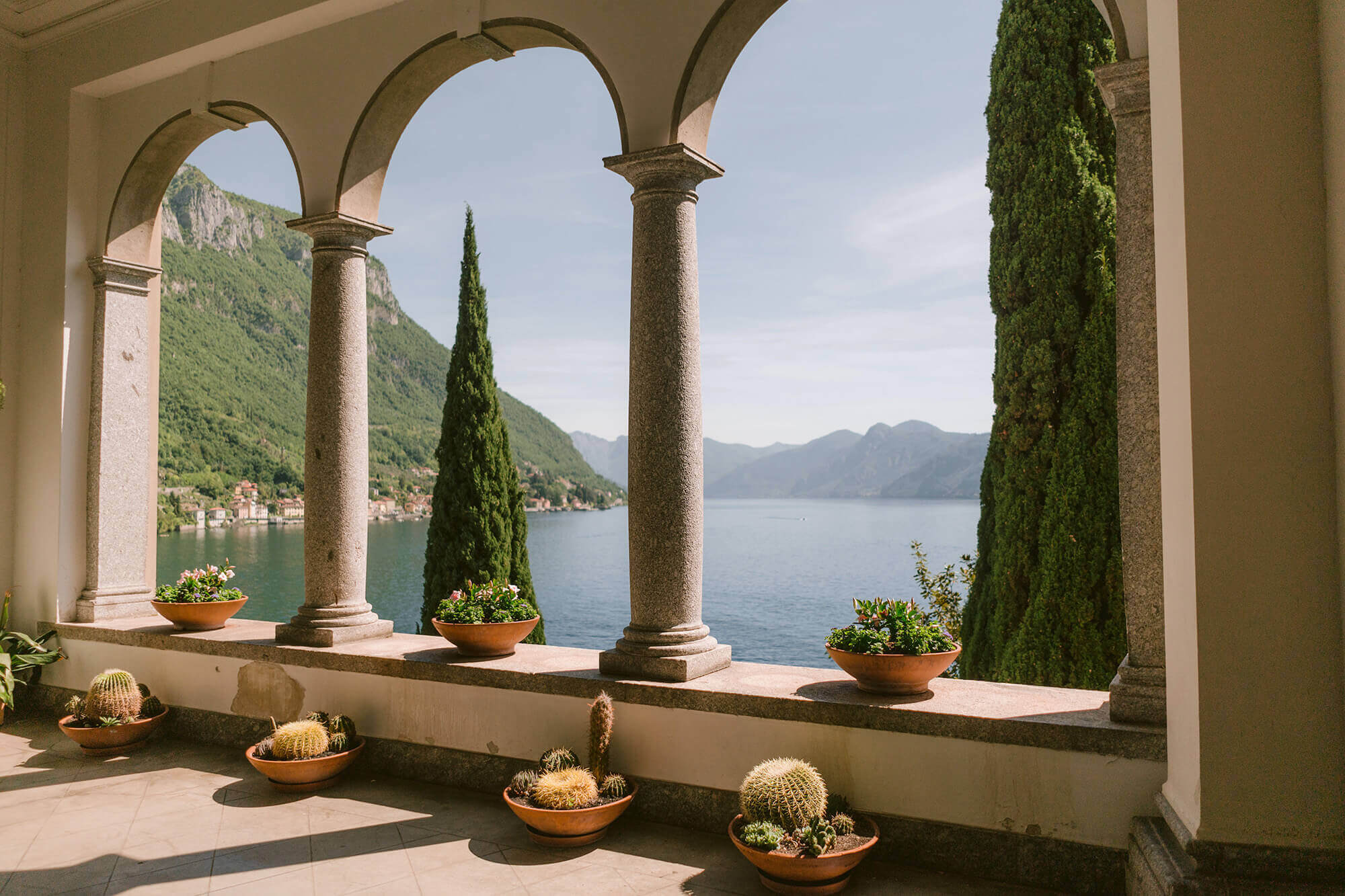
Nestled at the foothills of the Alps, Lake Como is a mesmerizing destination renowned for its natural beauty and charming lakeside towns. Varenna, with its colorful houses and scenic waterfront, offers a tranquil ambiance perfect for leisurely strolls and lakeside dining. Bellagio, often referred to as the “Pearl of Lake Como,” captivates visitors with its narrow cobblestone streets, elegant villas, and panoramic views. Como town, the lake’s namesake, boasts a picturesque historic center, a scenic funicular ride to Brunate for panoramic vistas, and the impressive Como Cathedral with its Gothic and Renaissance architecture.
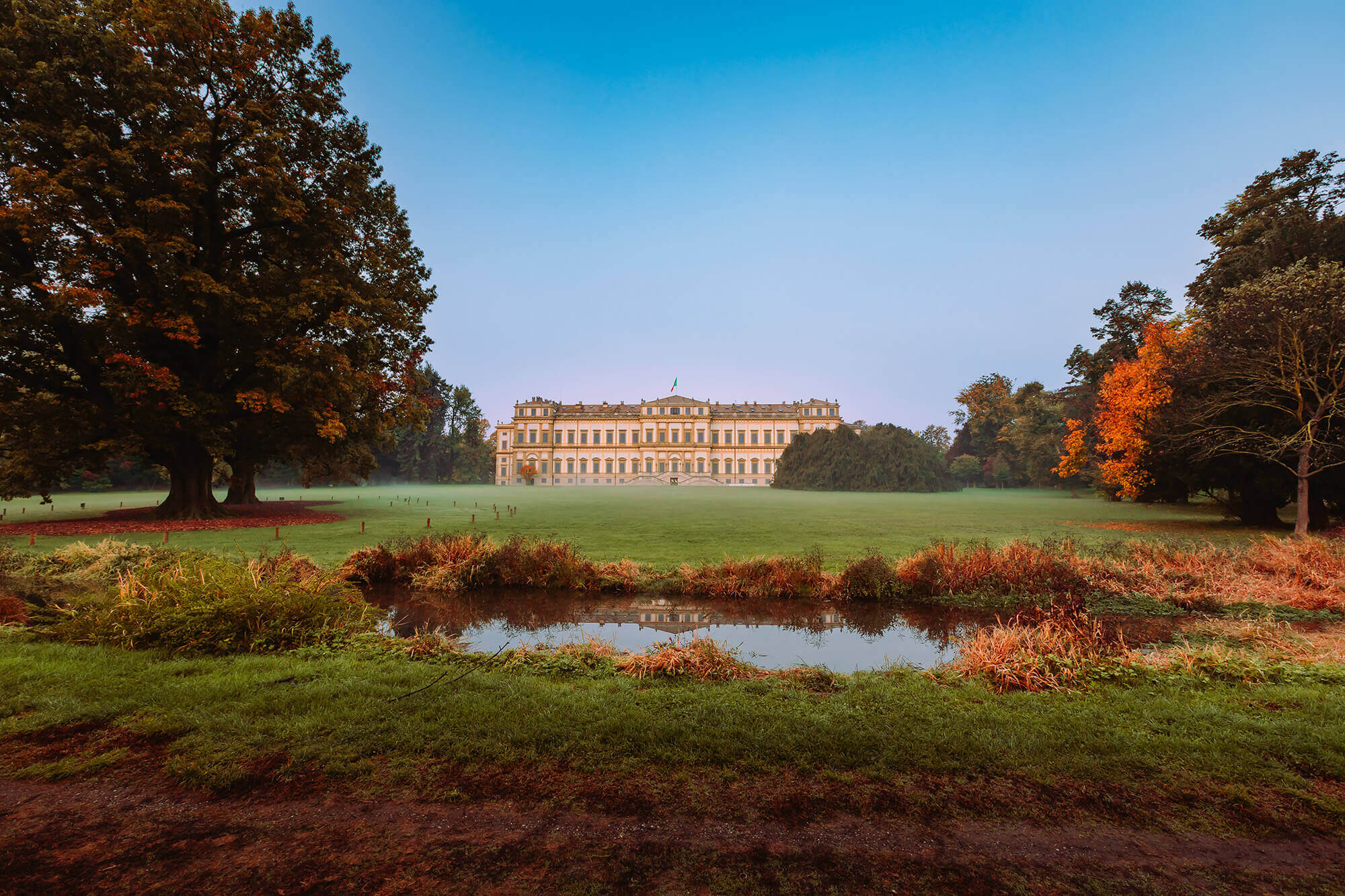
As one of Europe’s largest walled parks, Monza Park provides a refreshing escape from urban life. Spanning over 685 hectares, the park offers lush landscapes, tranquil ponds, and diverse flora and fauna. The highlight of the park is the Royal Villa of Monza, a splendid neoclassical palace surrounded by English-style gardens, statues, and ornamental lakes. Visitors can explore the villa’s opulent interiors, including the sumptuous Royal Chapel and historical rooms showcasing period furniture, artworks, and artifacts.
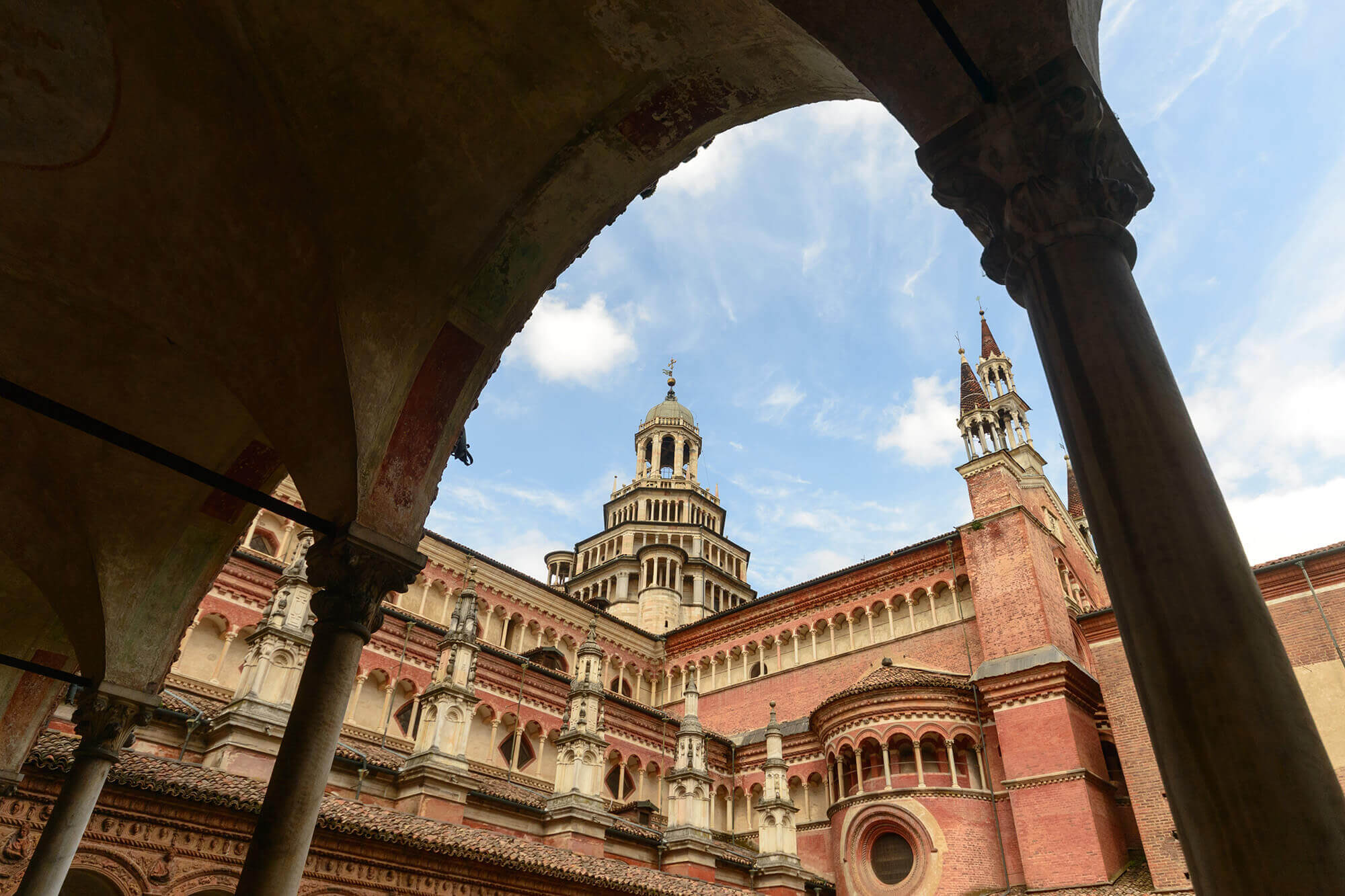
Located a short distance from Milan, the Certosa di Pavia is a remarkable example of Lombard Renaissance architecture and artistry. Founded in the 14th century, this Carthusian monastery complex features a breathtaking facade adorned with intricate sculptures, reliefs, and decorative elements. The interior of the monastery showcases a harmonious blend of Gothic and Renaissance styles, with magnificent frescoes, ornate chapels, and a tranquil cloister. The adjoining museum offers a fascinating collection of religious artworks, manuscripts, and artifacts, providing insight into the monastery’s rich history and cultural significance in the region.