
Rotation Programs (Non-Credit / Credit)
Rotation Programs at Unicollege are structured academic-professional experiences developed in partnership with U.S. and international institutions. They combine supervised professional placement within an Italian company or institution with academically framed learning components, ensuring coherence between practice, theory, and documented outcomes.
Unlike informal work placements, rotation programs are institutionally governed experiences designed through direct university-to-university collaboration. Each rotation is custom-built to align with the academic objectives, compliance requirements, and timeline of the home institution.
Academic Structure and Governance
Rotation programs may be organized as non-credit or credit-bearing pathways, depending on home-institution requirements. When structured for credit, the rotation includes clearly defined learning objectives, a formal syllabus or program outline, academic supervision, and an assessable component.
Programs may integrate:
- Professional experience in the format of a mentored internship
- Complementary learning sessions with Unicollege instructors or invited experts
- Italian language coursework
- Additional academic courses
- Weekly or bi-weekly mentoring and progress meetings
Academic recognition, when applicable, is coordinated with the home institution. Grade assignment may be managed by Unicollege, the home institution, or through a jointly agreed evaluation model.
Professional Allocations
Students are assigned to a designated professional venue aligned with their intended major or minor. The hosting organization, position type, role description, and responsibilities are defined collaboratively in advance.
The professional component includes a defined number of hours and a structured weekly schedule, typically Monday through Thursday or Monday through Friday, with agreed daily time allocations.
Mentorship may be provided by Unicollege, the home institution, or through a co-mentorship arrangement. The mentor’s role may include academic supervision, professional guidance, monitoring of progression, evaluation, and reporting.
Levels and Locations
Rotation programs may be structured for pre-college, undergraduate, postgraduate, BA, MA, or PhD-level participants, depending on institutional design.
Programs may be hosted at any Unicollege campus—Florence, Mantua, Milan, or Turin—with duration defined in weeks according to institutional needs. Calendar flexibility may range from adaptable to fixed-term formats.
Institutional Framework
As an accredited Italian degree-granting university, Unicollege structures rotation programs within an academically governed framework. Even when the primary experience takes place in a professional venue, the program remains educationally anchored, supervised, and formally documented.
Rotation programs therefore function not as isolated work placements, but as integrated academic-professional pathways that support disciplinary development, institutional comparability, and international academic mobility.
Academic Calendar
- Fall Semester: September – December
- Spring Semester: January/February – April/May
- Summer Sessions: May, June, July, August
Enrollments for all study abroad programs are open year round, and students are placed in the next available academic session. Applications are accepted at any time during the year.
Campuses and Locations
Students may choose to study at Unicollege campuses in Florence, Mantua, Milan, or Turin. Each location offers a distinct academic and cultural environment while operating under a unified institutional framework, academic regulations, and quality standards.
Housing
Unicollege provides structured housing solutions for international and visiting students designed to ensure safety, proximity to campus, and consistency with academic calendars. Housing arrangements are coordinated directly by Unicollege as part of the study abroad framework and are intended to support students throughout their academic term. On-campus residence is mandatory for all international students; where on-campus capacity is limited, placement will be arranged—based on availability—in university-managed housing. All international students are required to reside in university-managed housing or in accommodations formally affiliated with Unicollege.
Housing Policy and Placement
Students are primarily housed in on-campus residences. When on-campus capacity is reached, accommodation is arranged within Unicollege’s established housing network, which includes affiliated apartments and residential facilities located in close proximity to the campus. All housing options meet institutional standards of safety, accessibility, and academic integration. Assignments are made on a first-come, first-served basis. While every effort is made to prioritize on-campus placement, Unicollege reserves the right to allocate students to alternative approved accommodations within its network, including vetted housing providers or verified host families, in order to ensure continuity of services and compliance with institutional requirements. Housing placements are confirmed prior to arrival whenever possible. Final details, including address and check-in instructions, are communicated to students before the start of the academic term.
Accommodation Features
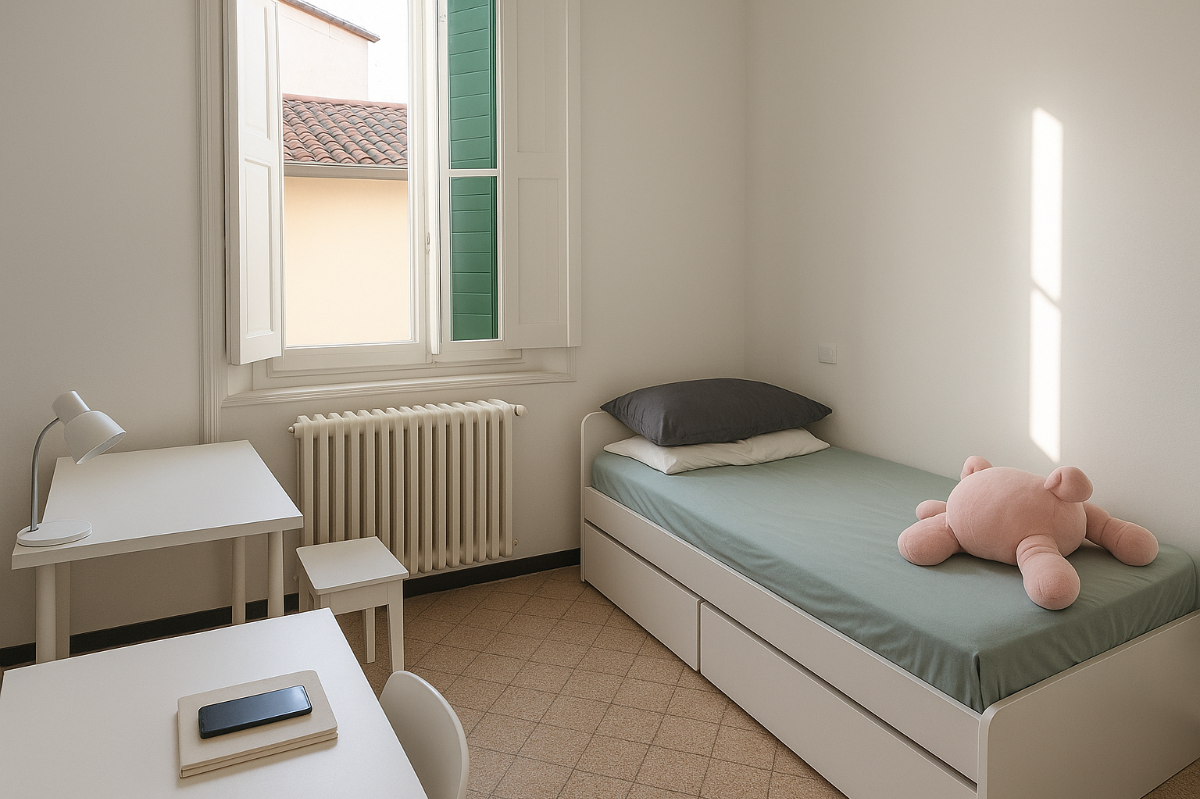
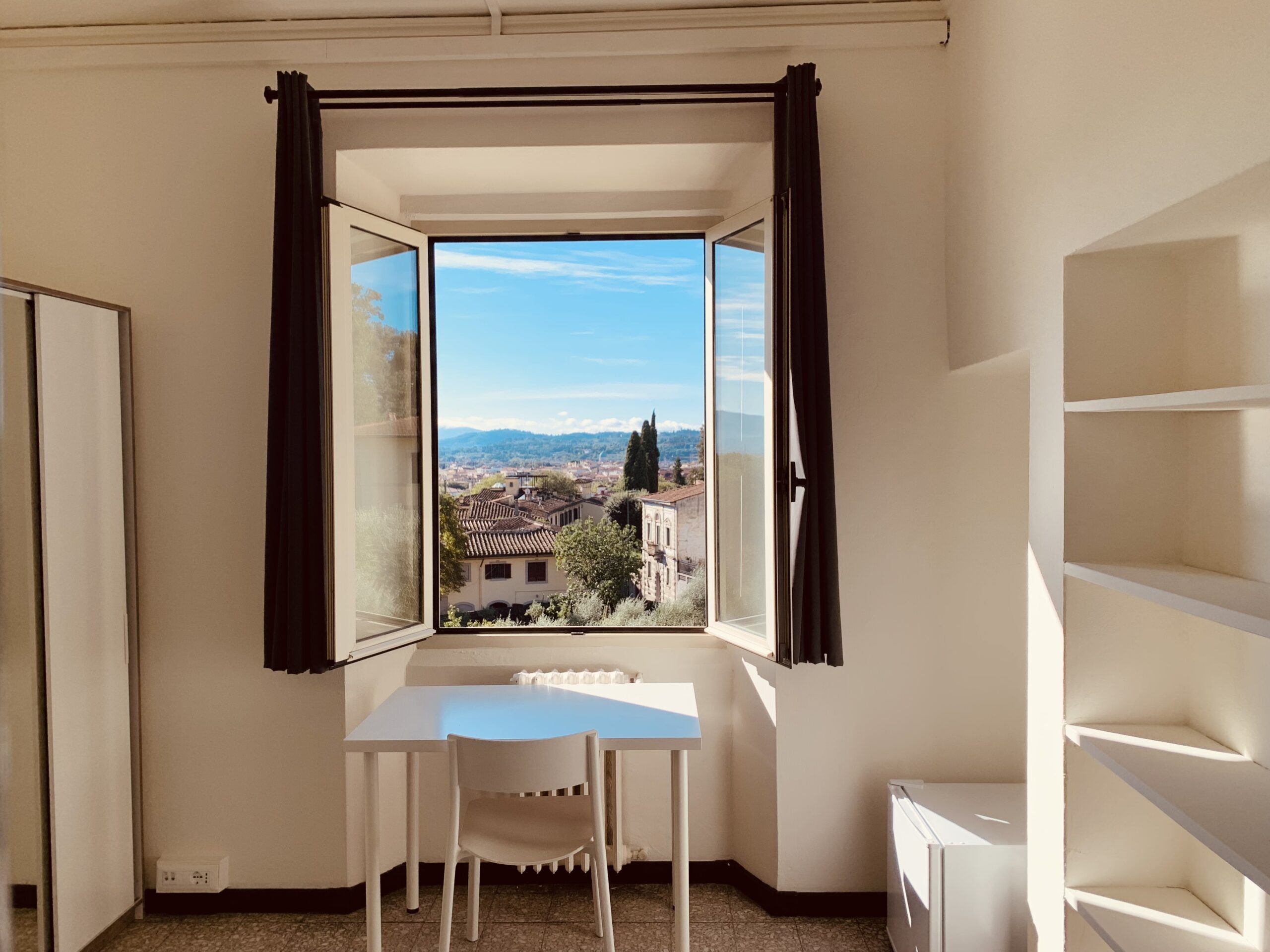
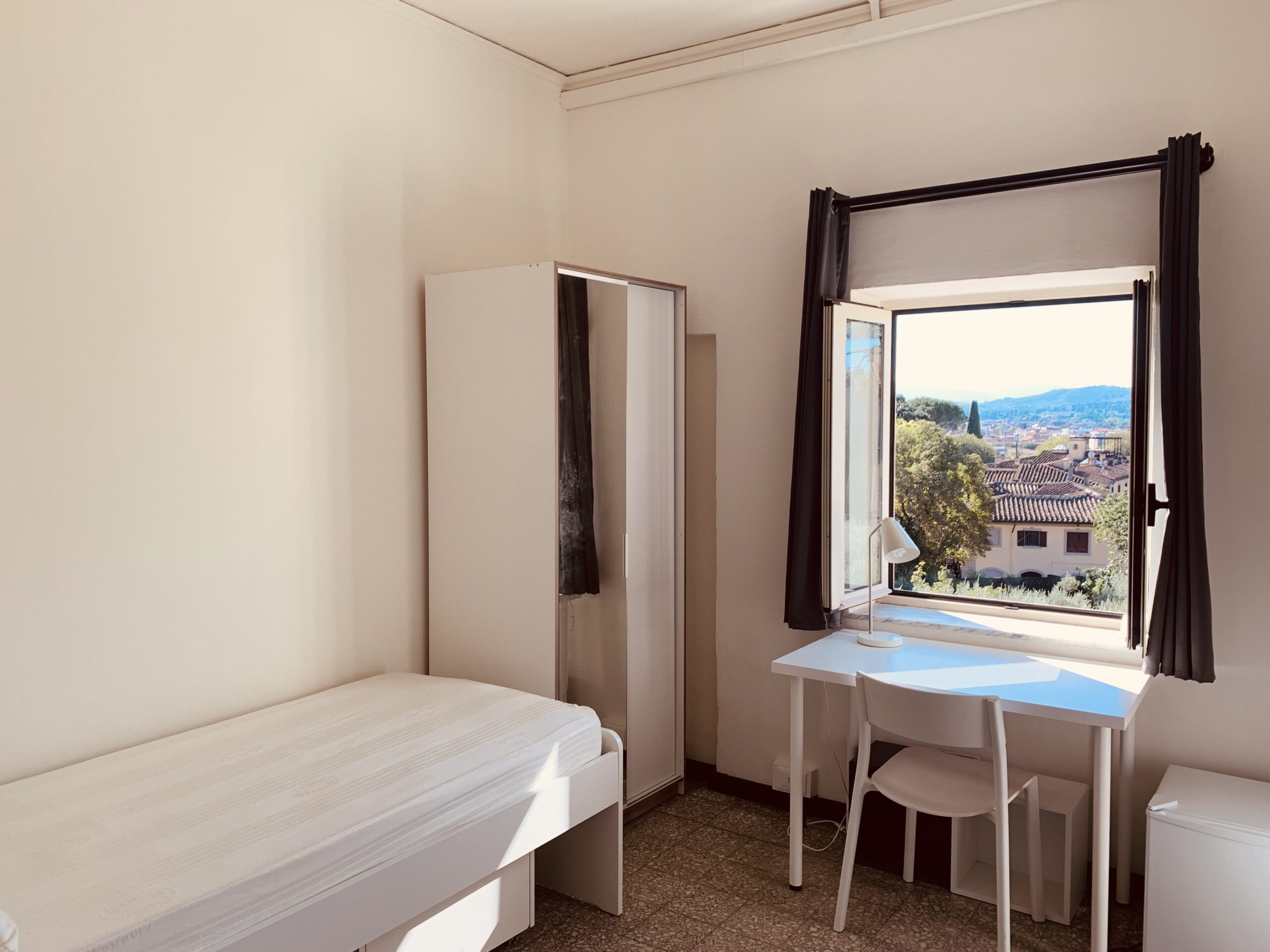
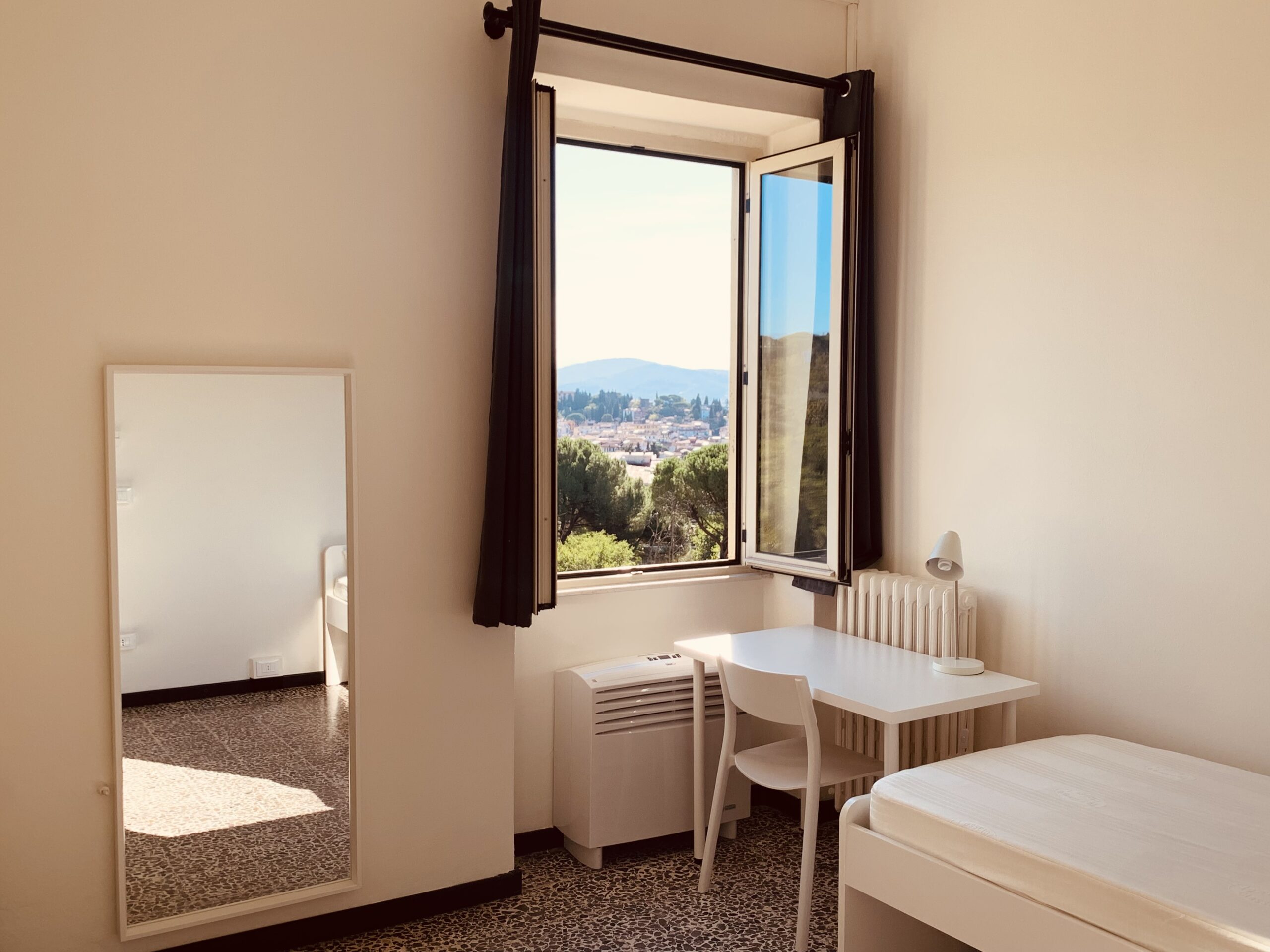
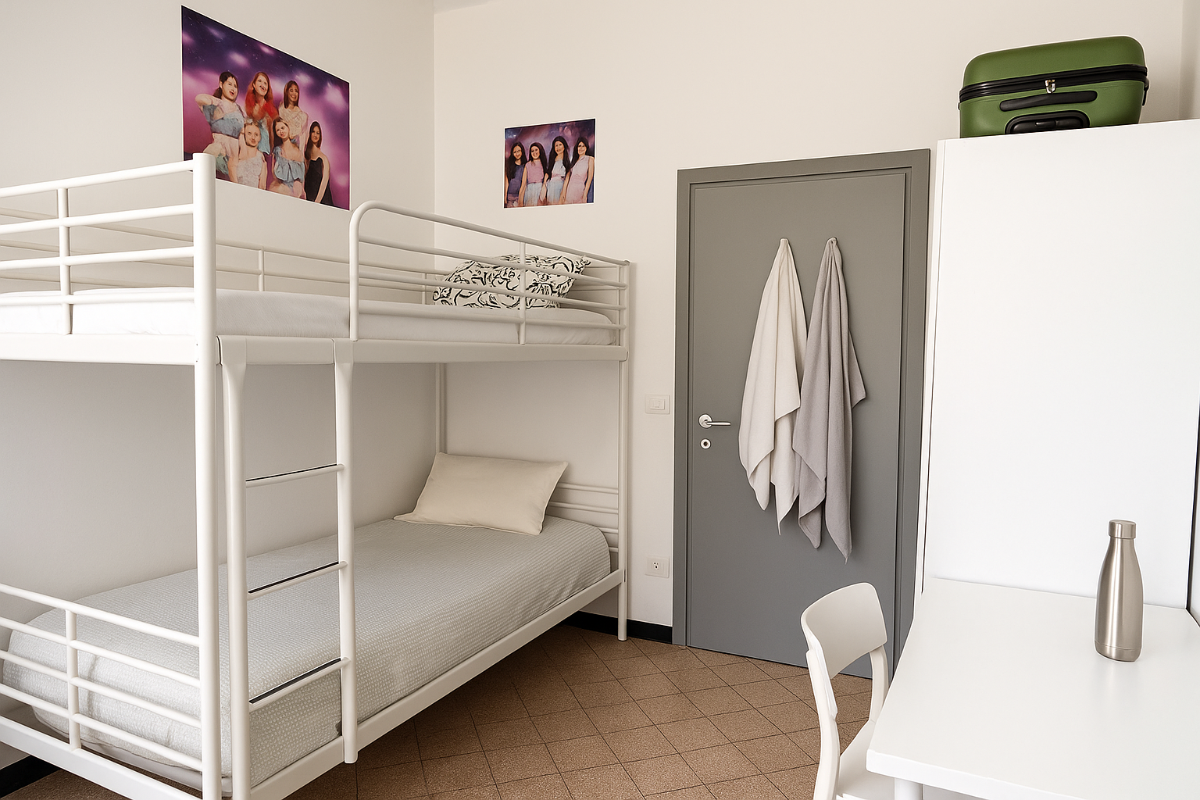
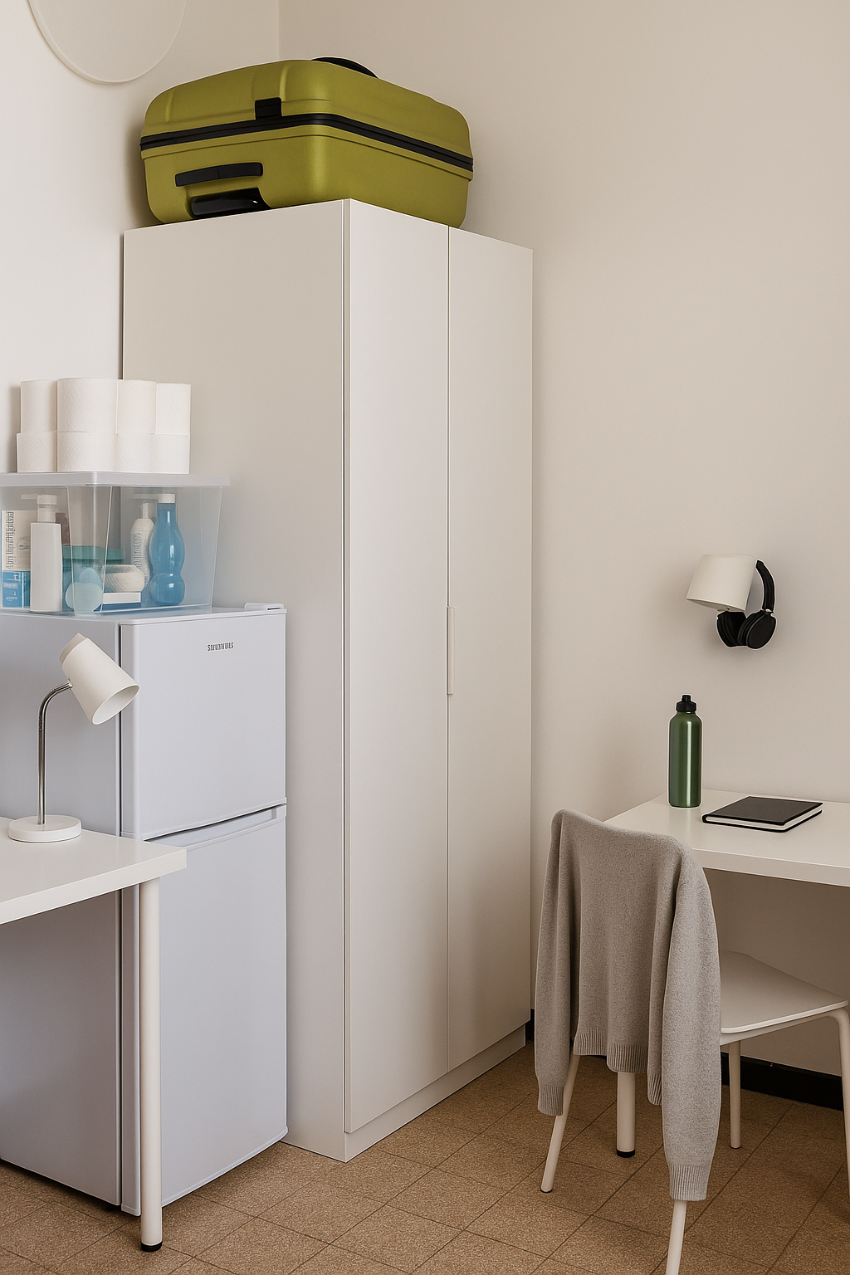
Accommodation types may vary by location and availability and span a range of configurations, including single rooms, single rooms with ensuite facilities, double rooms with separate beds or bunk beds, triple and quadruple rooms, as well as apartment-style accommodations designed for one or two occupants. Standard amenities across all housing options include fully equipped kitchens, full bathrooms with sinks and showers, separate toilet facilities, laundry areas with washing machines and dryers, shared living rooms, Wi-Fi access, and air conditioning where applicable. All housing is furnished and suitable for medium- to long-term academic stays.
Meals and Services
A meal plan is included in all Unicollege study abroad programs. Meals are normally provided on campus at the Unicollege cafeteria; in exceptional or seasonal circumstances, approved alternative solutions may be implemented. The standard meal plan includes one daily meal, typically consisting of a main course, a drink, and coffee. Details regarding meal services are shared with students prior to arrival. Additional arrangements may be requested by contacting the Unicollege Study Abroad Office.


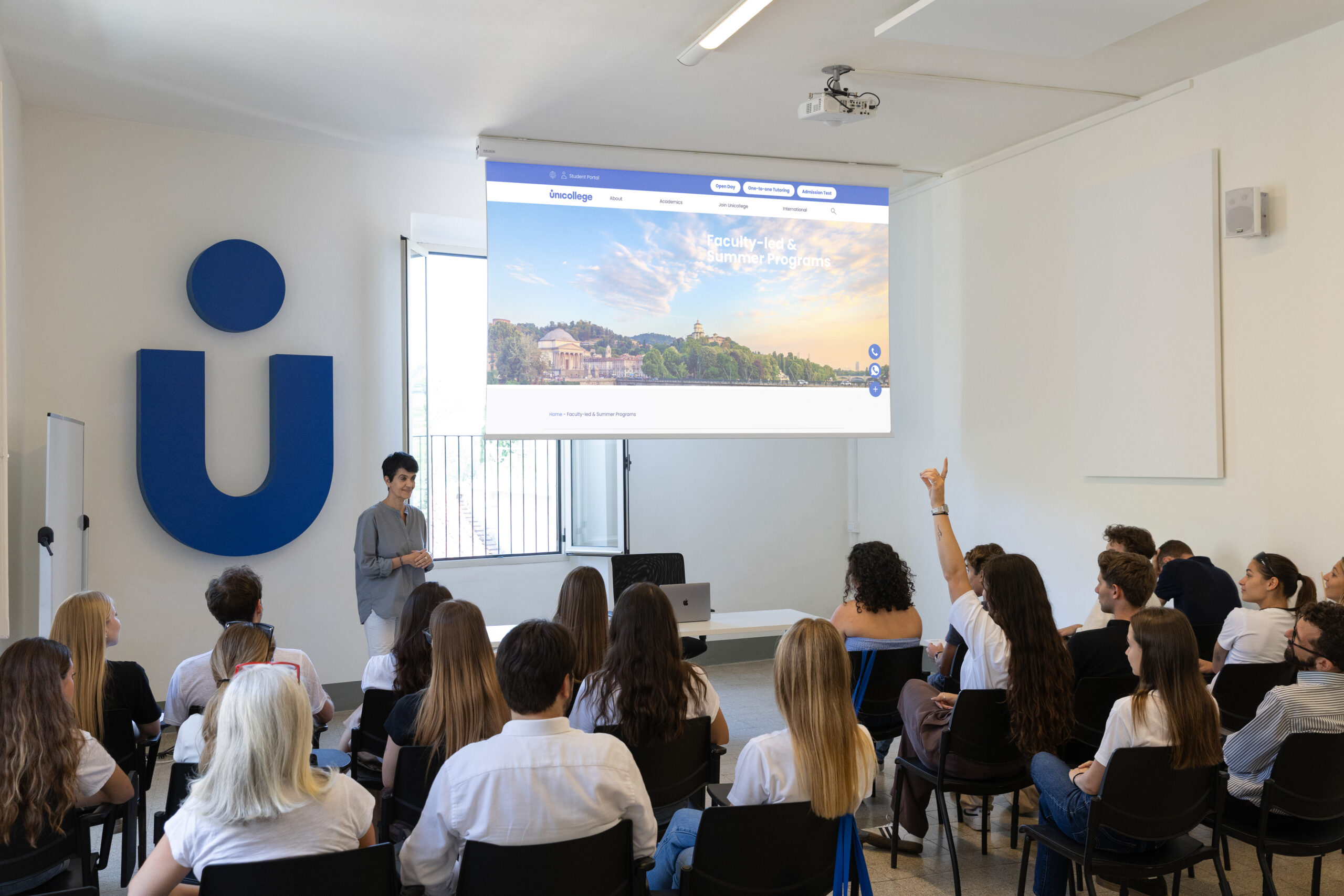
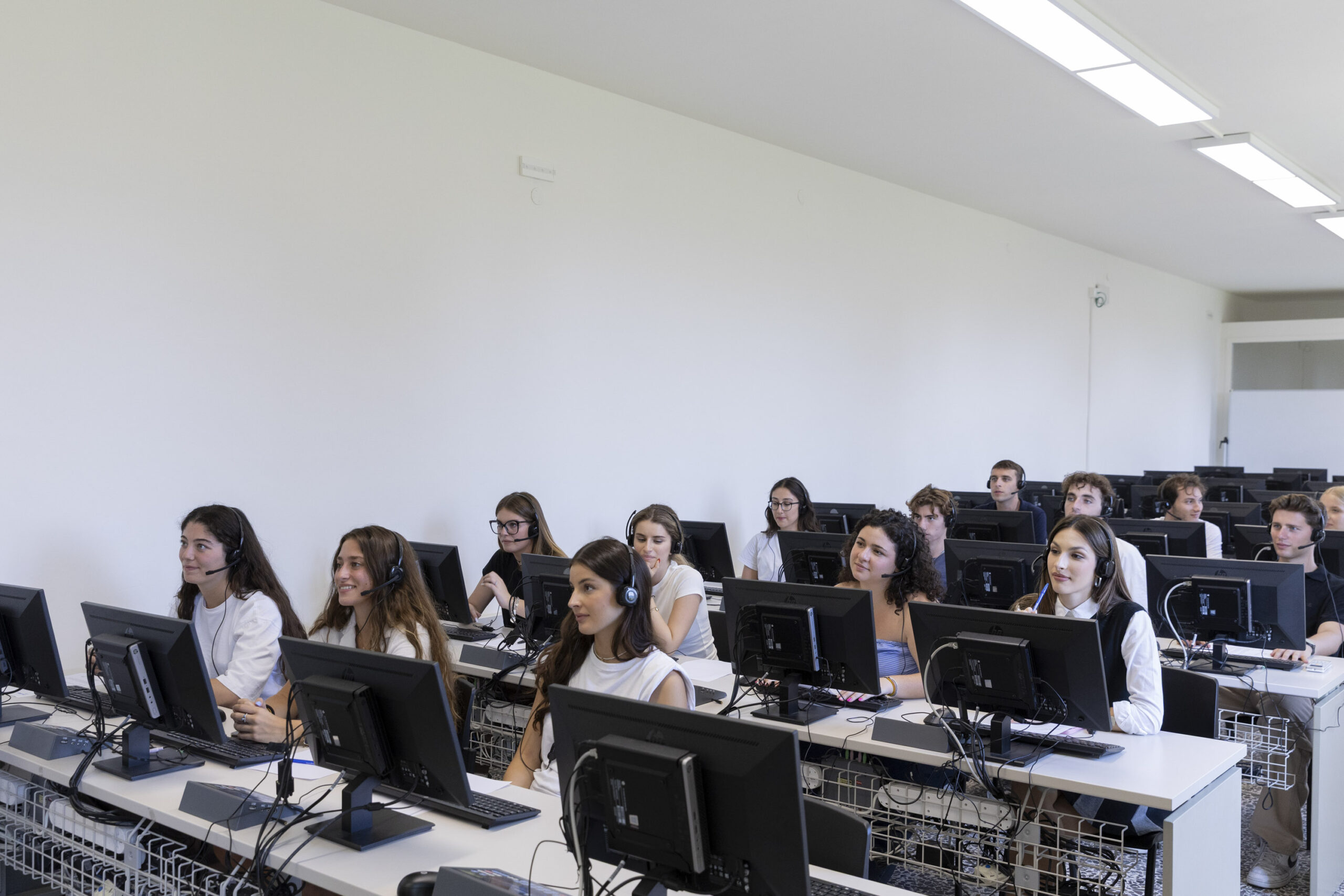
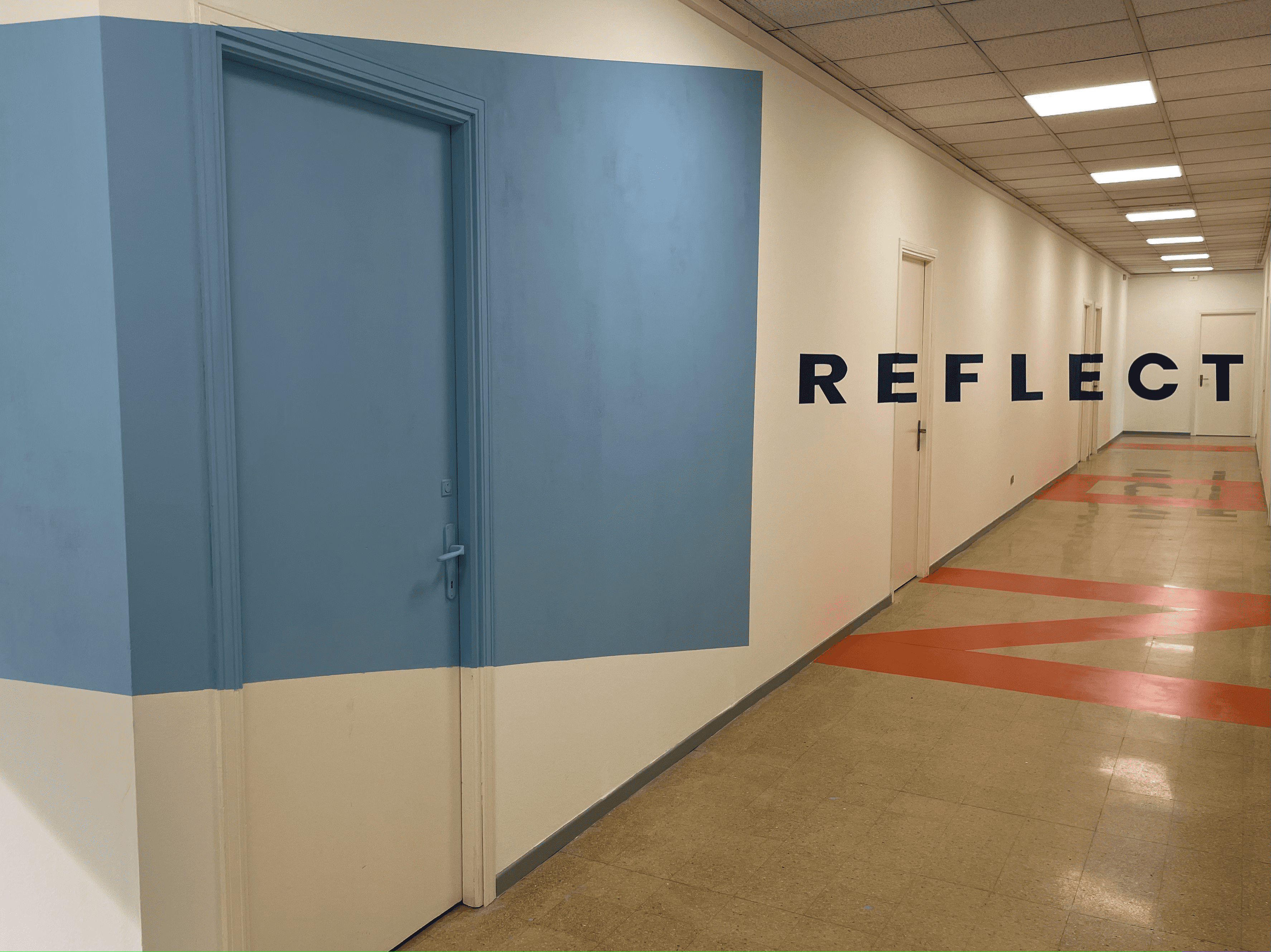
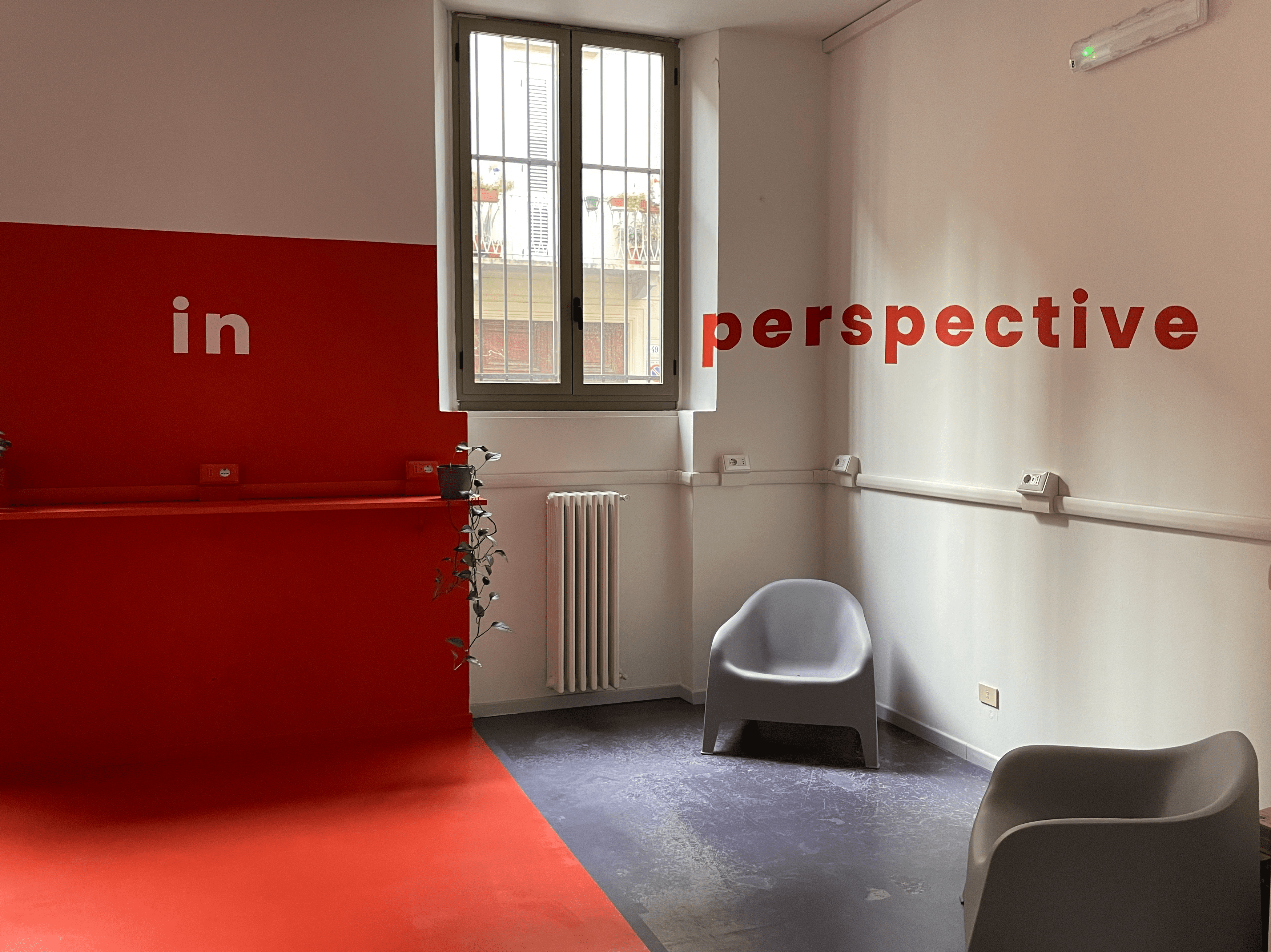

As part of UniCollege’s experiential learning model, professional placements may be arranged across a broad range of disciplinary and career-oriented fields. These opportunities are designed to complement students’ academic coursework by facilitating meaningful engagement within professional environments in Italy and across the European context.
Placements are available in the following areas:
Business and Management
Including marketing, finance, entrepreneurship, international trade, and human resources. Students may engage in organizational strategy, market analysis, and operational support within dynamic business settings.
Communication and Media
Covering digital communication, journalism, public relations, content creation, and advertising. Students contribute to media production, storytelling, and communication strategies across diverse platforms.
Fashion and Design
Including fashion marketing, luxury branding, interior design, and product design. Placements emphasize creative development, brand identity, and design processes within Italy’s renowned fashion and design sectors.
Hospitality and Tourism Management
Including hotel operations, event planning, destination management, and food and wine enterprises. Students gain hands-on experience in service management and guest engagement within Italy’s tourism industry.
Arts and Cultural Heritage
Including museums, galleries, cultural institutions, and performing arts organizations. Students support curatorial work, cultural programming, and heritage preservation initiatives.
International Relations and Political Studies
Including NGOs, policy research centers, and diplomatic or advocacy organizations. Placements involve research, policy analysis, and program support in international and civic contexts.
Law and Legal Services
Including legal consulting firms, compliance offices, and mediation or arbitration contexts. Students may assist with research, documentation, and administrative legal processes.
Education and Social Services
Including schools, language centers, inclusion programs, and community initiatives. Students engage in educational support, outreach, and program coordination.
Psychology and Behavioral Studies
Including research support, social services, and applied behavioral projects. Placements focus on observation, assistance, and participation in structured support environments.
Technology and Innovation
Including digital startups, AI applications, web development, and data analysis. Students contribute to technological projects, digital solutions, and innovation-driven initiatives.
Sustainability and Environmental Studies
Including corporate sustainability offices, environmental NGOs, and green innovation projects. Students engage in sustainability practices, environmental research, and impact-oriented initiatives.
Placements are tailored to align each student’s academic background, field of study, and professional interests with opportunities that support both skill development and meaningful engagement in the Italian and European context.
Housing costs vary by term, location, room type, and duration of stay. Estimated housing and meal plan costs are published by semester and are aligned with the academic calendar. Final costs are communicated during the admissions and housing confirmation process.
Housing is offered for the full duration of the academic program and is designed to align with semester, year-long, or summer study periods.
| Florence | Mantua | Milan | Turin | |
| Fall | ||||
| Spring | ||||
| Summer | ||||
| Cost per credit | € 300,00 | |||
| Other expenses | ||||
- Applications are open year-round.
Candidates may apply at any time, subject to rotation availability, host organization capacity, and alignment with the academic calendar. - Applications.
Applicants are strongly encouraged to apply at least 4–5 months in advance. A minimum of 90 days is recommended to complete academic review, placement design, and, where applicable, visa procedures. - Application Initiation.
To initiate the process, candidates or partner institutions must request the Rotation Program Application Form by contacting the Study Abroad Office at francesca.serra@unicollege.eu - Application Form.
The Rotation Application Form includes academic background, intended major or minor, preferred professional sector, desired duration (in weeks), credit intention (non-credit or credit-bearing where applicable), language proficiency, CV, and a statement outlining academic and professional objectives.
- Approval.
Where credit recognition is requested, the application must be reviewed and approved by the home institution or academic advisor. Proposed learning objectives and evaluation expectations should be indicated at this stage.
- Review and Placement.
Completed applications are submitted to Unicollege for academic and placement review. Rotation availability is conditional and subject to evaluation of academic fit, language competence, GPA (if applicable), and host organization requirements. - Academic Goals and Syllabus.
If the rotation is structured for credit, defined learning objectives, academic supervision, and required deliverables (e.g., reflective assignments, reports, presentations) are formalized in coordination with the student and, where applicable, the home institution. - Review and Confirmation.
Applications are typically reviewed within 7–10 working days. Upon confirmation of placement, students receive formal acceptance, placement details, and program documentation. - Installments.
After confirmation, participants are required to submit the first non-refundable installment. Any rotation-related fees, housing arrangements, and administrative costs are detailed in the official proposal. - Induction and Orientation.
Prior to arrival, students receive supervision information, schedule structure, professional venue details, and academic requirements, including evaluation criteria for credit-bearing rotations. - Completion and Finalization.
Upon completion of the rotation and all required academic components, students receive formal documentation. For credit-bearing rotations, evaluation and transcript issuance follow established academic procedures. For non-credit pathways, students receive an official certificate of completion and a supervisor evaluation summarizing performance and competencies acquired.