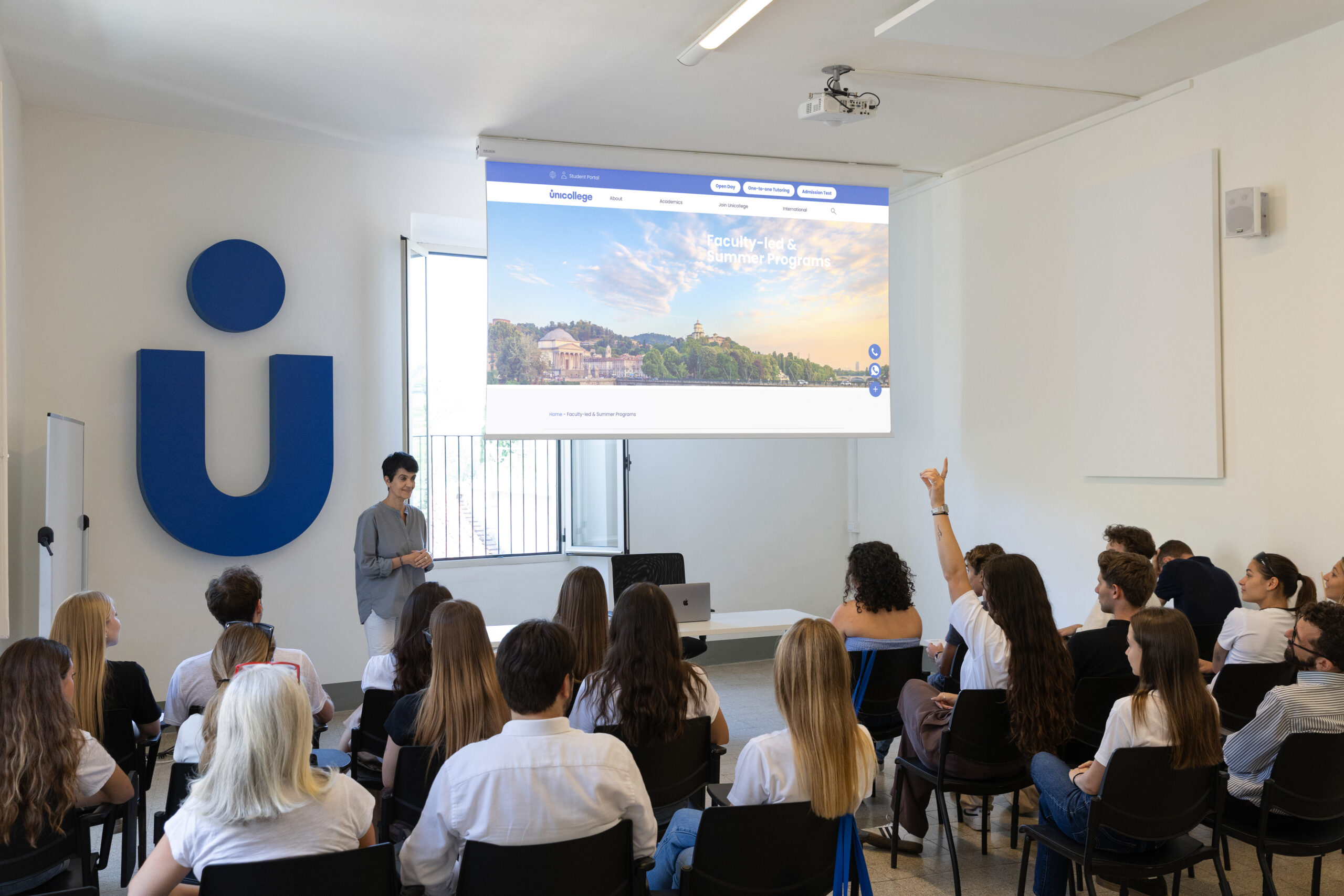
Faculty-led Programs
Unicollege supports faculty-led and custom-designed academic programs developed in direct partnership with U.S. and international colleges and universities. As a degree-granting Italian university, Unicollege re-establishes the university-to-university intellectual collaboration model, offering an academically governed alternative to third-party provider structures. Programs are conceived as academic modules with clearly articulated learning outcomes, syllabus documentation, contact hours, and assessable academic work. This structure enables partner institutions to treat the experience as fully integrated within their own academic governance frameworks.
Faculty Collaboration & Academic Design
Programs are developed through direct liaison with Unicollege faculty in the corresponding disciplinary area. Academic design may align with departmental themes, General Education requirements, cohort-based objectives, or specialized research interests.
Teaching models are flexible and academically structured. Courses may be:
- Fully taught by the visiting faculty member
- Co-taught between the home institution and Unicollege faculty
- Fully delivered by Unicollege faculty
- Structured with hybrid components before, during, or after the in-country period
Guest lectures, site-based inquiry, and structured engagement with local institutions are integrated within a documented academic framework rather than treated as stand-alone activities.
Academic Governance and Documentation
Faculty-led programs may be designed for pre-college cohorts, undergraduate students, or graduate-level participants. Academic expectations, assessment methods, and documentation are calibrated according to level and partner requirements.
All programs include syllabus documentation, defined learning outcomes, structured academic deliverables, and faculty oversight. Where credit is requested, academic components are documented to support credit transfer review and institutional recognition according to partner policies.
Unicollege’s approach positions faculty-led programs as academically rigorous, institutionally grounded, and collaboratively designed university experiences.
On-Site Program Support
Each faculty-led program is supported by an in situ Unicollege coordinator who assists with logistics, scheduling, classroom access, local coordination, and institutional communication. This role supports the academic delivery of the program while allowing visiting faculty to focus on instruction.
In addition, Unicollege designates a Program Leader who facilitates each stage of the faculty-led experience—from pre-arrival planning and academic scheduling to on-site execution and post-program documentation. This structure ensures institutional continuity, operational clarity, and alignment with agreed academic objectives.
Unicollege also provides 24/7 support coverage for the duration of the program. Participants and visiting faculty have access to dedicated emergency contact and institutional assistance at all times, ensuring immediate response to urgent matters, health or safety concerns, and unforeseen logistical needs. This continuous support framework reinforces student wellbeing, program stability, and institutional accountability throughout the on-site experience.
Locations and Academic Infrastructures
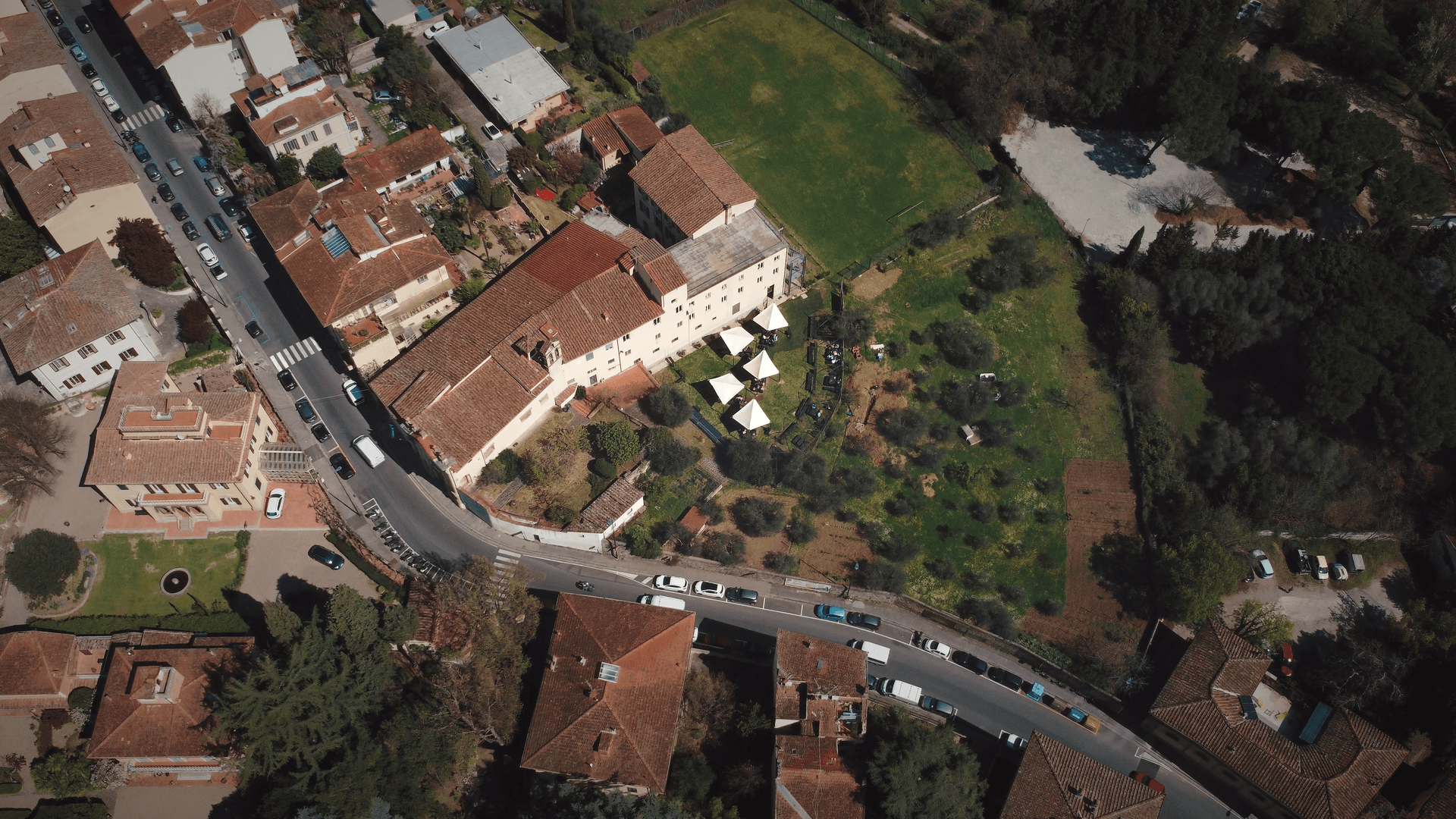
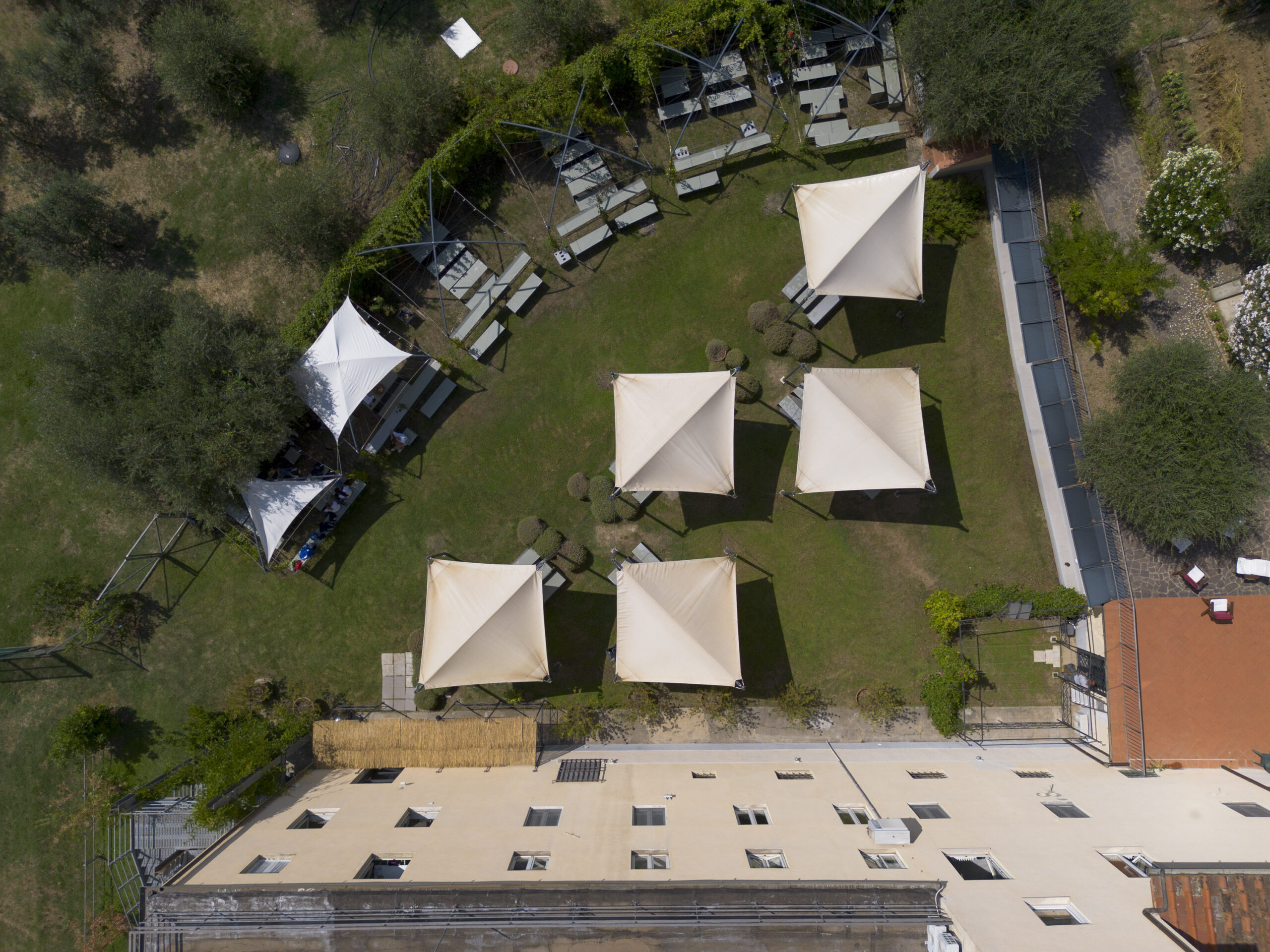
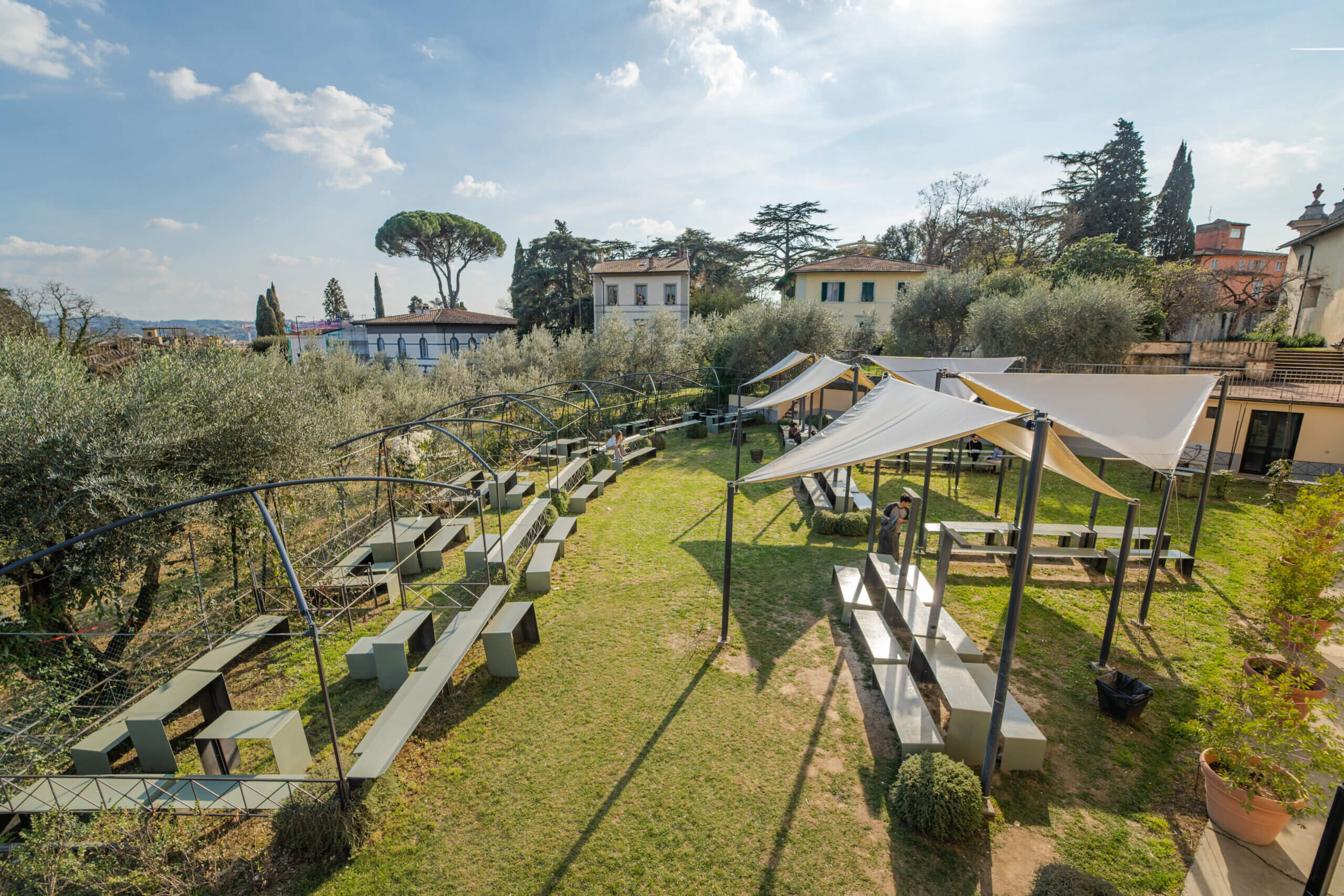
Faculty-led programs may be hosted at one or more Unicollege campuses in Florence, Mantua, Milan, or Turin. Programs may follow a single-campus model or an itinerary-based academic structure across cities.
In addition, Unicollege collaborates with sister universities and academic institutions across Italy and Europe, enabling regionally expanded programs while maintaining centralized academic coordination.
As a university, Unicollege provides full institutional infrastructure on campus, including:
- Classrooms and academic facilities
- On-campus housing or affiliated accommodations
- Embedded meal plans
- Academic advising and administrative support
- Structured student services
- 24/7 assistance
- Project leader/s and/or coordinator
This integrated infrastructure ensures that faculty-led programs operate within a fully academic environment rather than as external short-term arrangements.
Housing and On-Site Support for Faculty-Led Programs
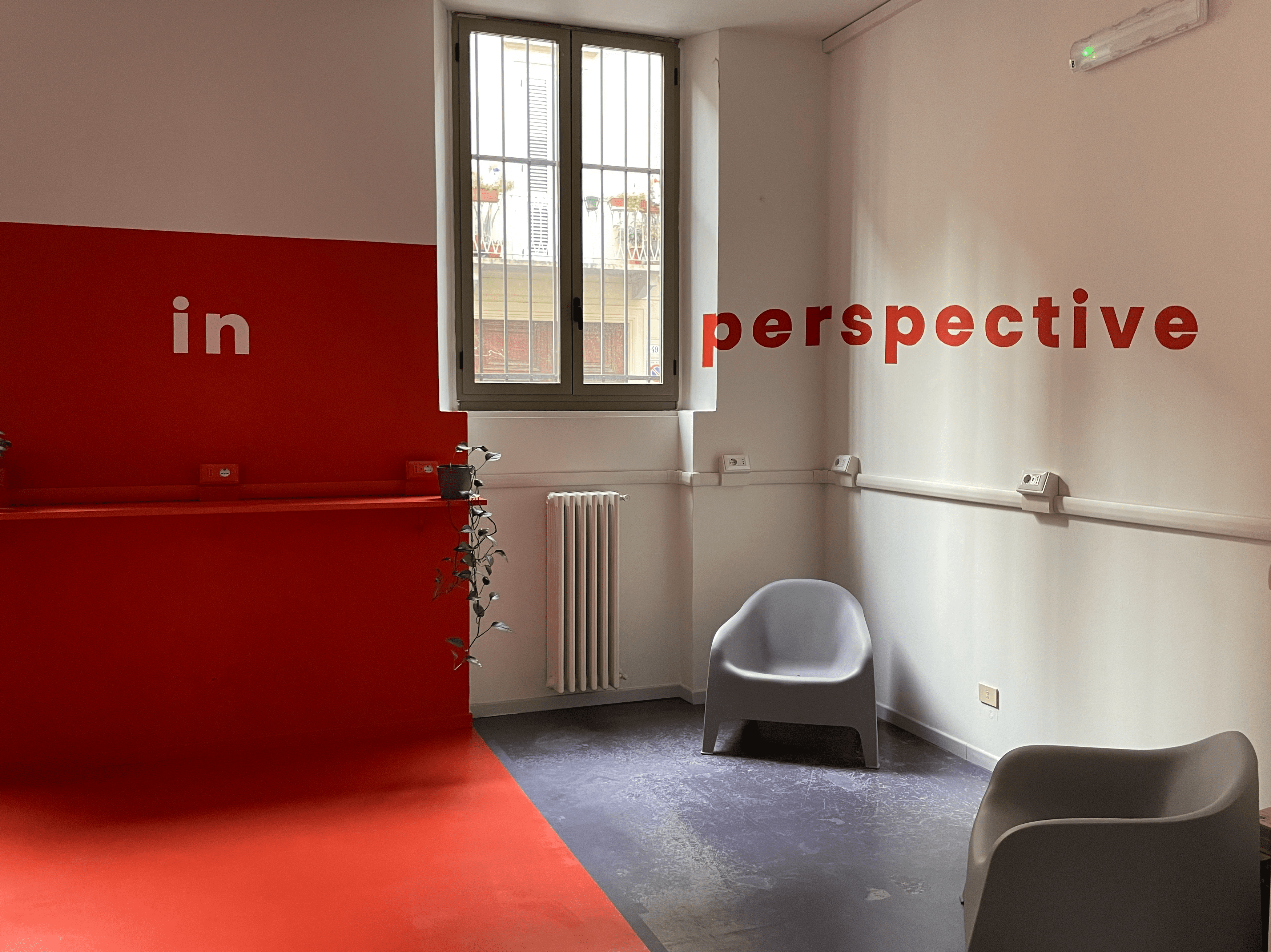
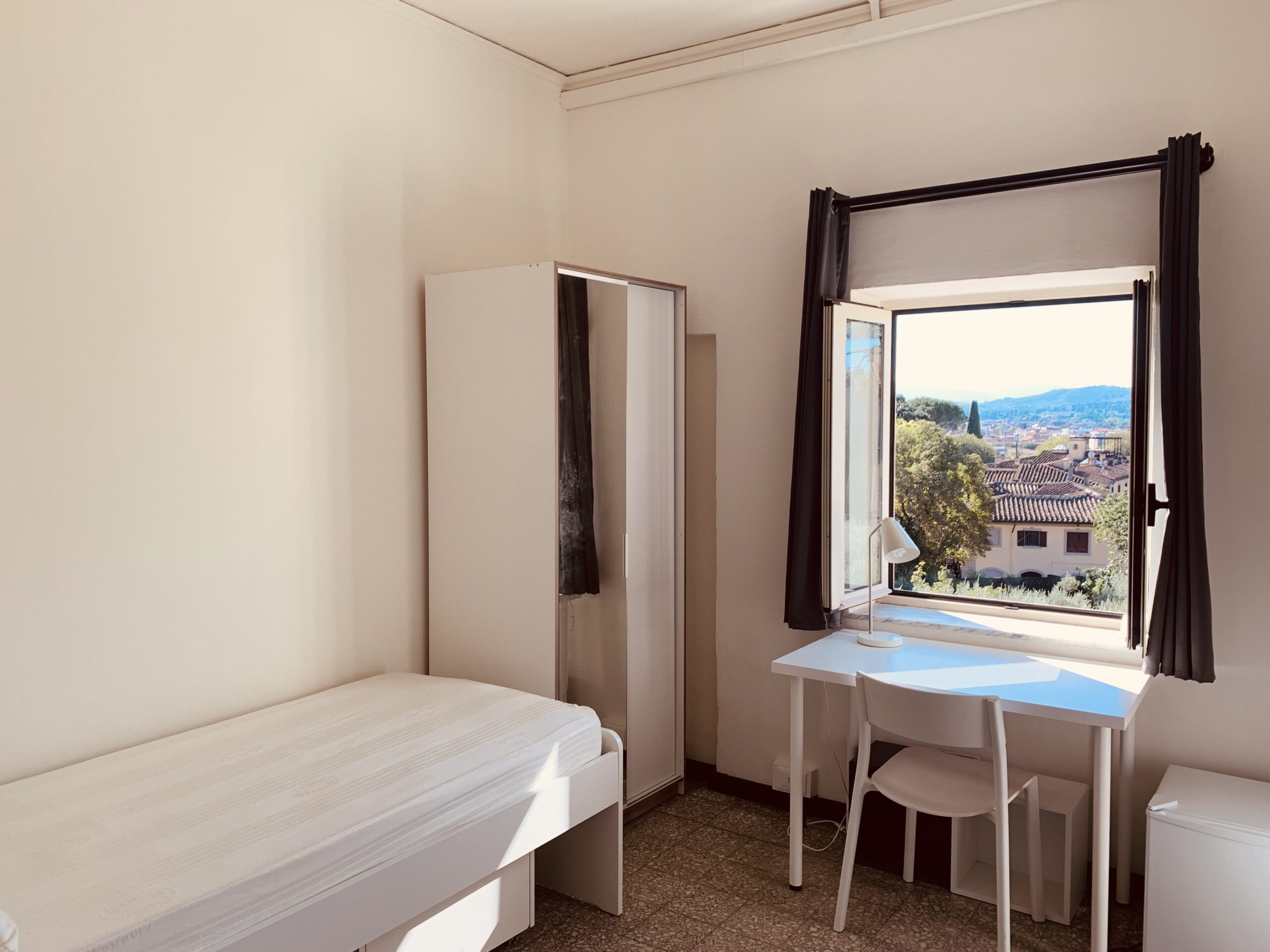
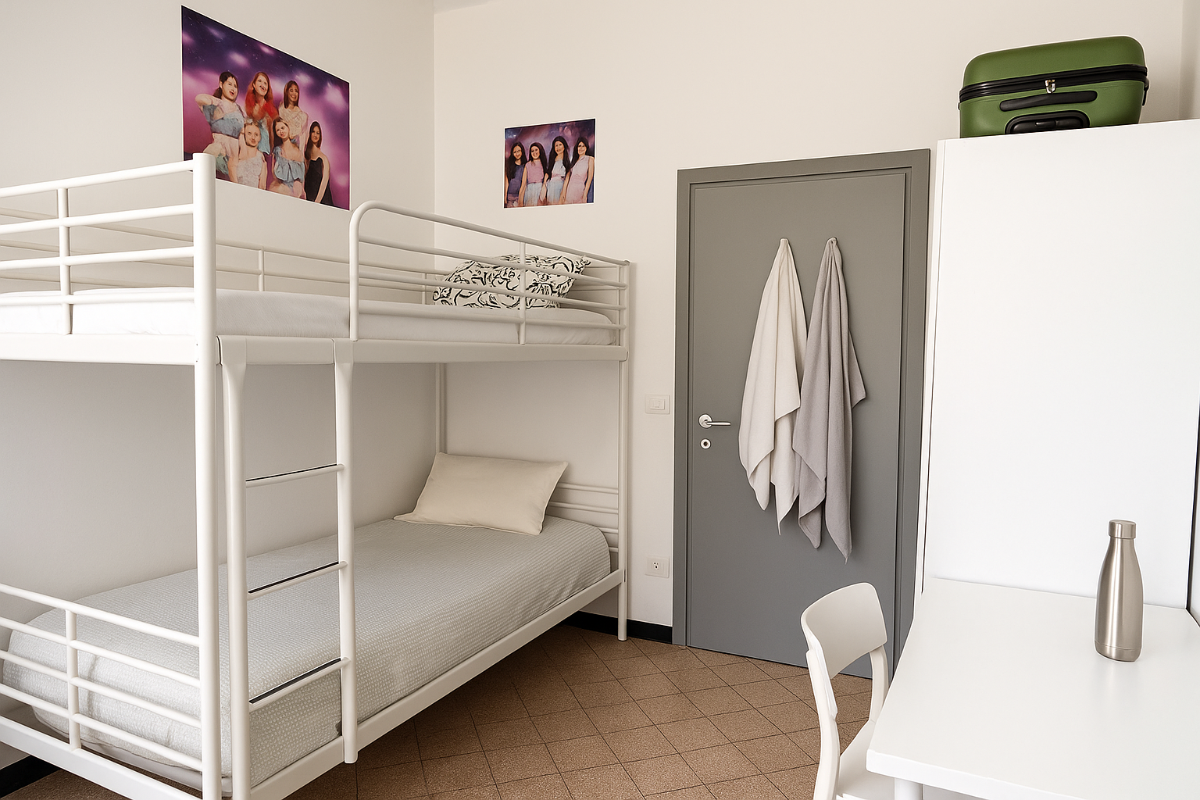
For faculty-led programs, Unicollege provides structured on-campus housing solutions designed to ensure proximity to academic facilities, program cohesion, and alignment with the academic calendar. Housing is coordinated directly by Unicollege as part of the institutional framework supporting the program.
Participants are typically accommodated within university-managed residences located on or immediately adjacent to campus in university-managed residences or in formally affiliated apartments located near the selected campus (Florence, Mantua, Milan, or Turin). Where availability requires flexibility, Unicollege may allocate housing within its established and vetted residential network, ensuring continuity of services, safety standards, and accessibility to classrooms and program activities.
Accommodation configurations may include single rooms, shared rooms, apartment-style residences, or small group housing depending on cohort size and program design. All accommodations are furnished and suitable for short-term academic stays.
Standard amenities include:
- Fully equipped kitchens
- Bathrooms with sinks and showers
- Laundry facilities
- Shared living spaces
- Wi-Fi access
- Air conditioning where applicable
Faculty leaders and academic coordinators are typically allocated ad hoc residential solutions aligned with program needs. Housing may be arranged in proximity to student residences to support accessibility, supervision where relevant, and academic continuity.
When included in the program design, meal plans are delivered on campus through Unicollege’s cafeteria services or, where necessary, through approved alternative arrangements. As a university itself, Unicollege provides full campus infrastructure, including classrooms, academic facilities, student services, and administrative support integrated within the faculty-led framework.
Meals and Services
Meals within faculty led programs may be arranged in accordance with the academic design and logistical structure of each program. Options may include on campus dining at the Unicollege cafeteria, external dining arrangements, or customized solutions developed in collaboration with program faculty.
In addition, programs may incorporate experiential components through the Unicollege School of Culinary Arts, where meals can be structured as laboratory based or academic activities integrated into the curriculum.
When provided on campus, the standard meal plan typically includes one daily meal, consisting of a main course, a beverage, and coffee. Final arrangements and meal formats are defined based on the specific program design and are communicated to participants prior to arrival. Additional requests or customized solutions may be coordinated with the Unicollege Study Abroad Office.


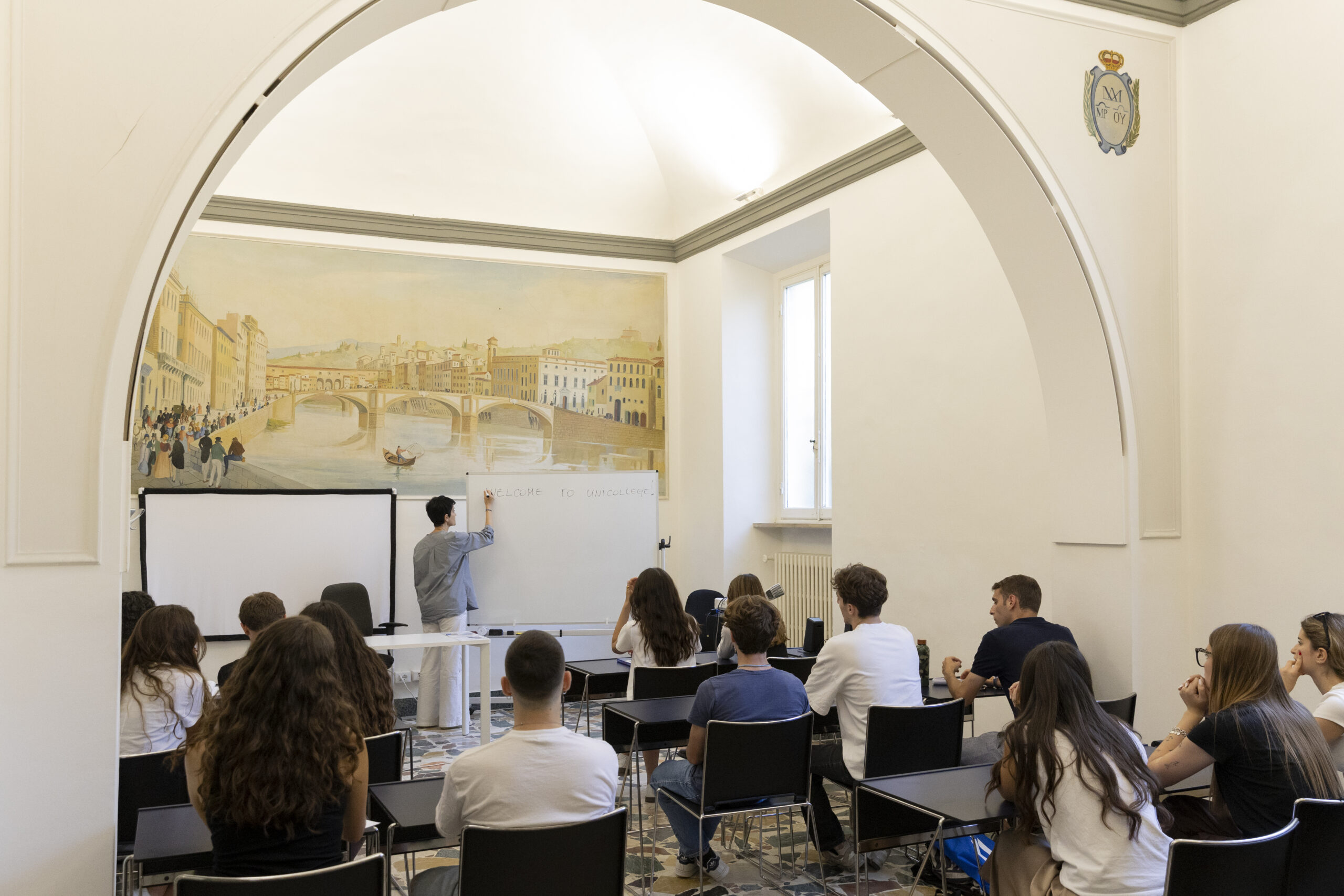
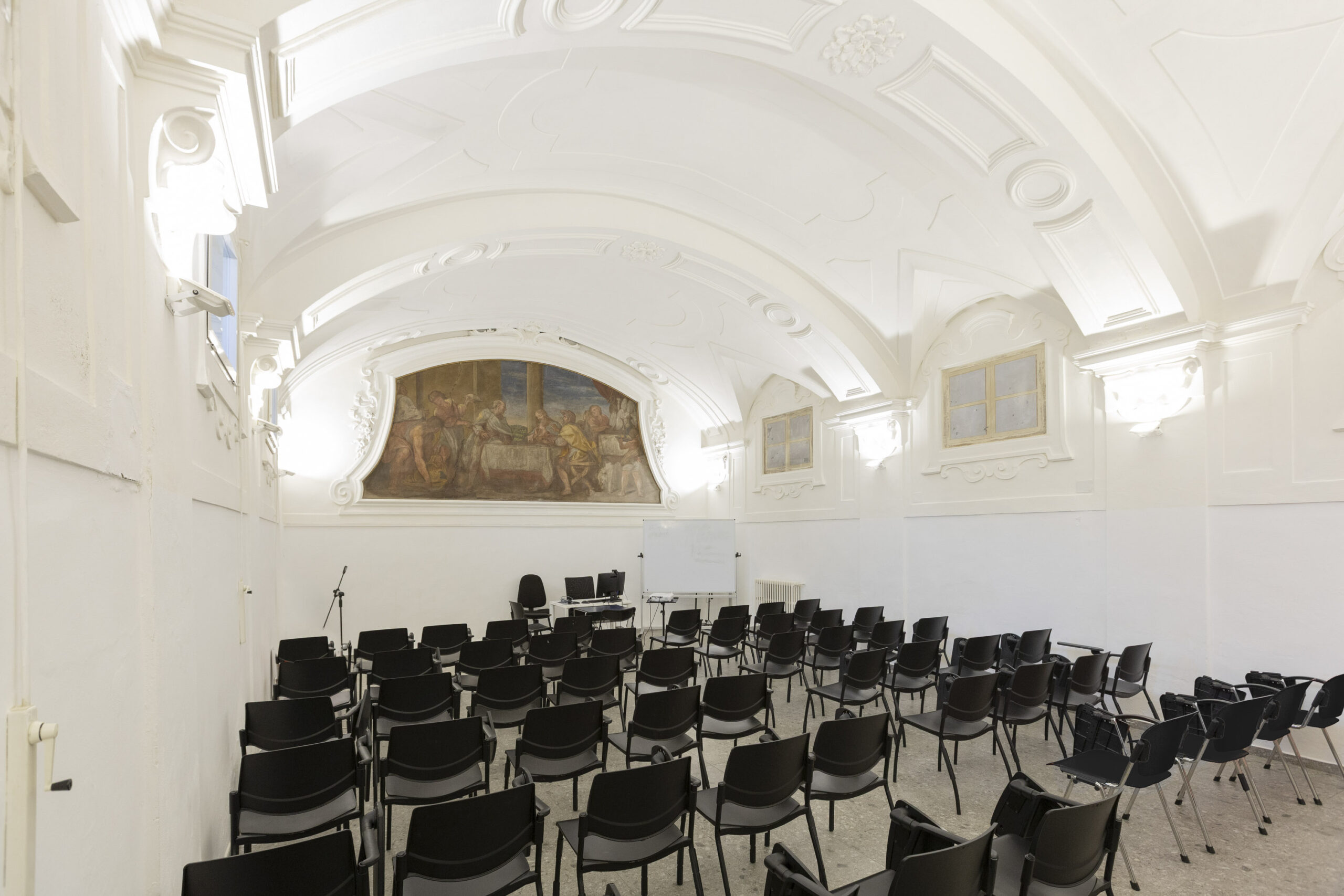
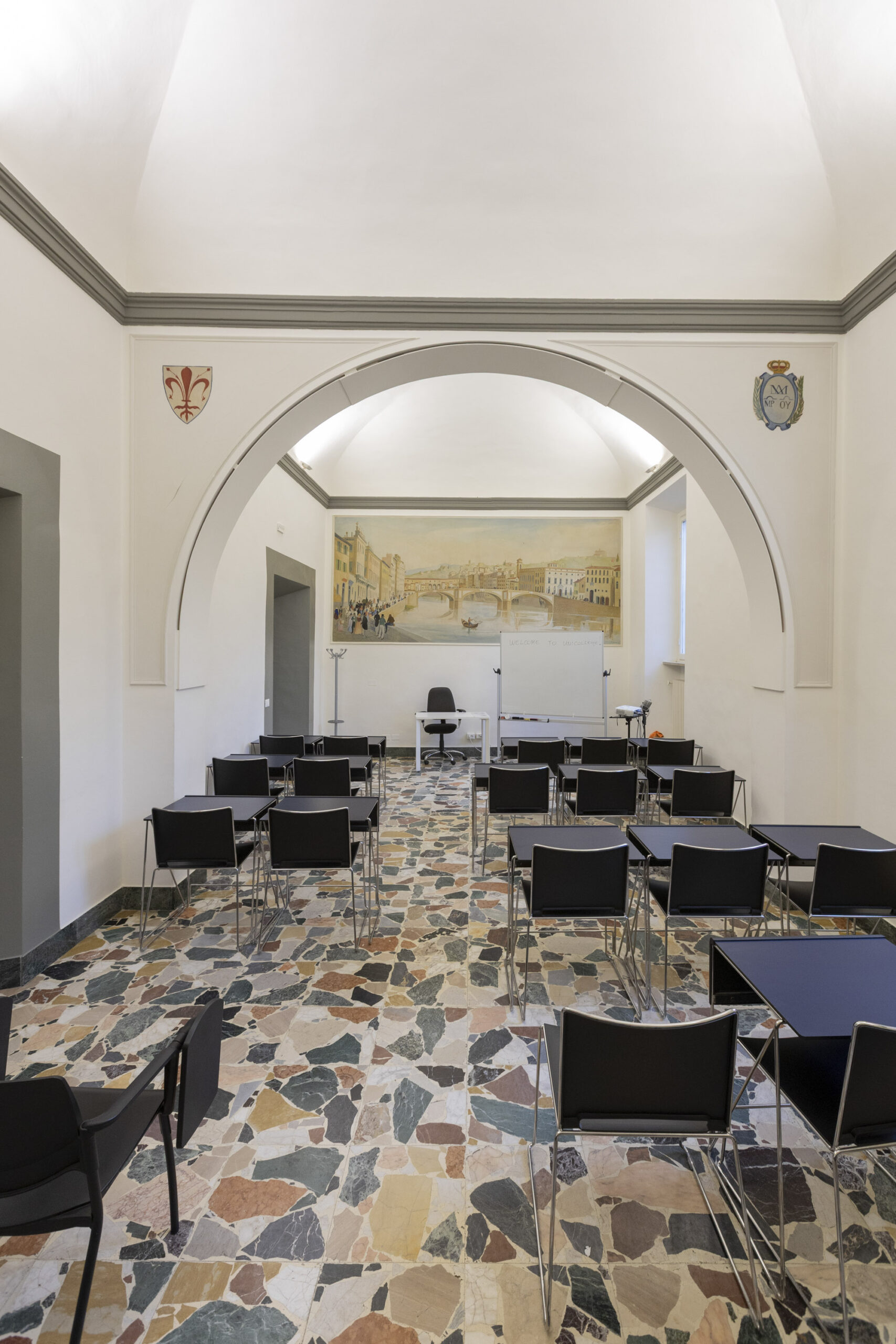
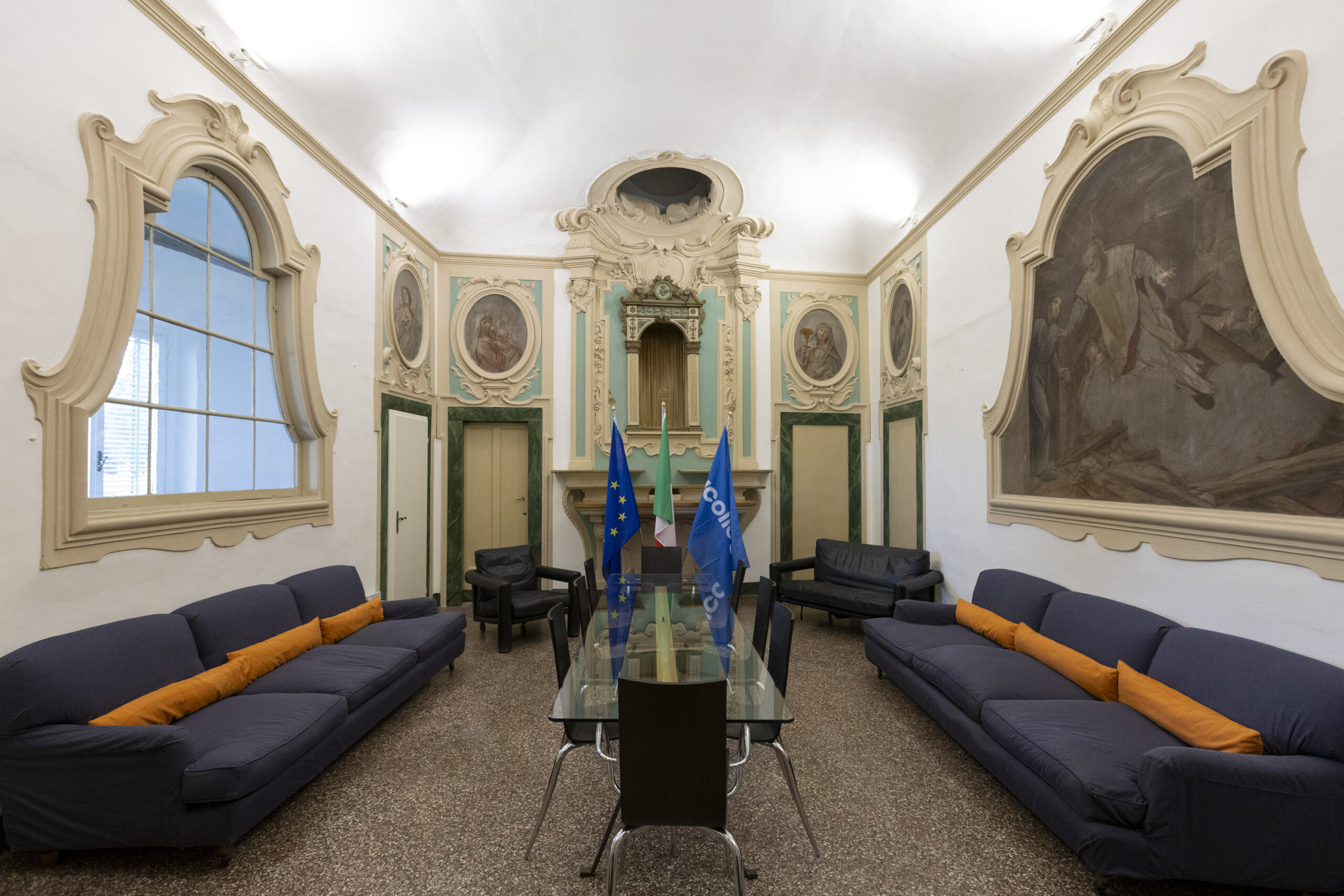

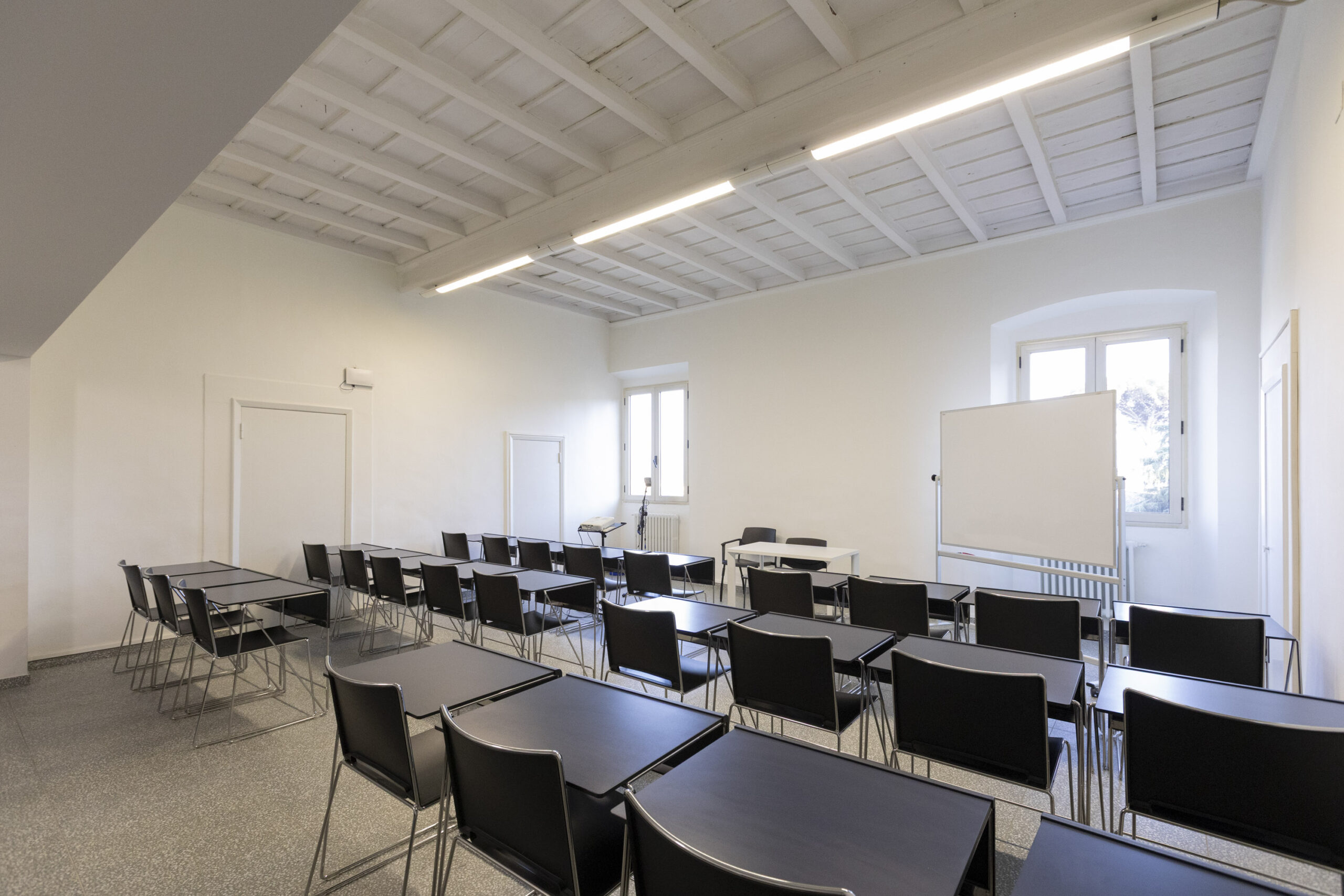





The slider below shows past, current, and future faculty-led programs developed in partnership with international partner universities and institutions.
The programs presented below are intended as reference examples and have been delivered in a variety of formats, including one-week, short-term (2–8 weeks), and semester-long programs. All programs are inherently flexible and are designed to be adapted to the academic objectives, structure, and preferences of the visiting instructor.
Programs may be based in a single location or developed as itinerary-based academic experiences. As Unicollege operates campuses in Florence, Mantua, Milan, and Turin, programs may be hosted in one of these locations, move across multiple campuses, or extend to additional locations across Italy and Europe. Unicollege has, in fact, developed and delivered faculty-led programs across the continent.
At the same time, as a degree-granting university with established academic infrastructure—including classrooms, faculty, administrative staff, cafeterias, and student housing—Unicollege is able to support fully integrated, campus-based programs. Programs hosted on campus typically optimize both academic delivery and cost efficiency for students and faculty, ensuring a sustainable model while maintaining institutional quality. While all configurations remain possible, campus-based delivery represents the most structurally supported option.
Moreover, a defining distinction of working with Unicollege is the absence of third-party provider mediation. Faculty-led programs are developed through direct, peer-to-peer collaboration between universities. From the outset, this model brings together academics, faculty, and institutional teams who share a common academic language and framework. Program design, learning objectives, logistical planning, and academic expectations are developed collaboratively, ensuring alignment, clarity, and mutual understanding. This level of academic dialogue and institutional empathy represents a significant advantage, as it is often not present in models where universities interface through non-academic intermediaries.









The process is intentionally simple. A faculty member or study abroad officer may begin by sending an email to giosue.prezioso@unicollege.eu, opening a direct conversation with a professor who can immediately guide the first stage of development. This first contact serves not only as an administrative starting point, but also as the beginning of a peer-to-peer academic exchange that distinguishes the experience from more conventional provider-based models.
Step 1: Initial Academic Conversation
Once contact is established, the partner institution is connected with the appropriate Unicollege faculty member, department, or academic area. This means that a professor in fashion, for example, will be placed in conversation with a peer in the same or closely related field at Unicollege. At this stage, the program may be discussed, refined, or co-built according to the partner’s objectives, academic vision, and student profile.
Step 2: Defining the Teaching Model
During the design phase, the partner faculty member may determine how the program will be taught. The program may be led entirely by the visiting instructor, co-taught with a Unicollege colleague, or fully delivered by the designated Unicollege faculty peer. This flexibility allows institutions to shape a model that best aligns with their academic goals, staffing structure, and desired level of faculty involvement.
Step 3: Shaping the Program Budget
Once the preliminary academic structure has been defined, the partner university proposes an ideal budget for the program. Rather than applying a fixed or standardized price, Unicollege encourages institutions to identify a budget that reflects the realities of their own student community. This approach is designed to maximize accessibility and participation, while remaining attentive to the financial context and expectations of each partner institution.
Step 4: Completing the Faculty-Led Program Generator
Academic, logistical, and budgetary details are then organized through a dedicated faculty-led program generator, which serves as the formal framework for shaping the proposal. At this stage, all relevant elements may be outlined, including academic content, teaching format, timing, services, and operational needs, ensuring that the program is clearly structured from both an institutional and student perspective.
Step 5: Institutional Review and Coordination
Once the request is submitted, the Unicollege study abroad team, together with all relevant academic and operational offices, reviews the proposal and works to accommodate the requested structure as fully as possible. Because Unicollege directly holds the academic and logistical infrastructure—including accommodation, meal plans, insurance, and student support services—coordination is streamlined and institutionally integrated rather than externally outsourced.
Step 6: Approval and Launch
Following review and refinement, the program is finalized, institutionally approved, and prepared for launch. At that point, the collaboration moves from planning into implementation within an academic framework already supported by existing university procedures, services, and campus operations.